

Tobacco & Horticulture Exports
Tobacco floors, curing barns, blueberry farms and rose exporters whose European and Asian buyers now turn away high-carbon supply chains.
In depth
Tobacco and horticulture: energy in curing, grading and the cold chain
On a farm, energy is all about timing. A tobacco farmer uses most of the curing fuel in just a few months. A horticulture packhouse uses most of its cooling in the weeks around harvest and export. In those weeks the load is big, and outside them it is small. Most farms are also far from the strong part of the grid.
Curing: a heat problem with a forest at the end of it
Flue-cured tobacco is dried in a barn for about a week. The temperature is raised step by step to fix the colour and quality of the leaf. This needs a lot of heat. In most Zimbabwean barns the heat comes from burning wood or coal in a furnace, and the hot air is blown through the leaf. How much heat you use for each kilogram of leaf depends on three things.
The fuel demand is big. A widely quoted estimate, repeated by Mongabay, is that small-scale barns burn about 10 kg of wood to cure 1 kg of leaf, and that tobacco is a large cause of deforestation. Reports differ on how big the share is, so treat any single figure with care.
Grading and packing: loads that match the sun
After curing, and for horticulture after harvest, the crop is graded, sorted and packed. This work is done in daylight. It uses moderate, steady power for lights, conveyors, scales and packing machines, which is exactly the kind of load solar serves well. Most of the solar power is used as it is made, so you do not need batteries for most of the saving.
The design question is how much of the daytime load to cover with solar, and how to keep any generator running at a healthy load. Our article on hybrid microgrids for farms shows how to size the system.
The cold chain: an insulated box with a machine attached
The cold chain has many links, and the cold room is the one that uses the most power. A cold room is a well-insulated box with a refrigeration plant that removes the heat coming in. The power it uses depends first on how much heat comes in, and second on how efficient the plant is at removing it. Four things bring heat in. Heat passes through the walls, floor and roof.
The best savings come from cutting the heat load before you touch the plant. Repair damaged insulation panels and door seals. Fit strip curtains or air curtains so less air gets in when the door is open, and train staff not to leave doors open.
Read the full guide: Tobacco and horticulture: energy in curing, grading and the cold chainAlso covered: Reliability comes first · Planning the supply across the season
What you get
Curing, grading and cold storage pile your power demand into a few short months.
Seasonal load analysis
Plan your capacity for the busiest months.
Solar and batteries
Burn less diesel in the season.
Buyer-ready data
Energy and emissions figures for export buyers.
Deliverables
What lands in your inbox
- Seasonal load analysis for curing, grading and cold storage
- Solar and battery design to cut diesel in the season
- An energy and emissions pack for export buyers
- Backup power design for the processes that cannot stop
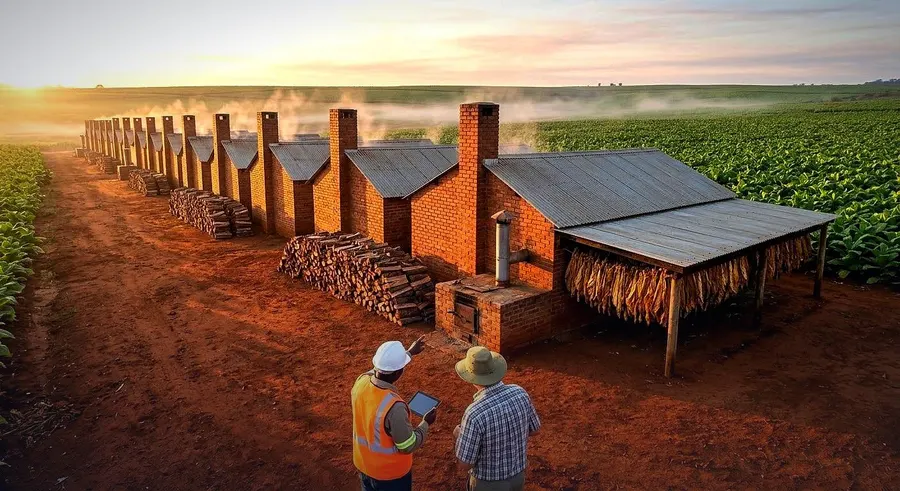 Tobacco curing
Before the call
What to bring
Rough information is fine. This is what lets us scope and quote quickly.
- Your last 12 months of bills, including the peak season
- Barn, grading-line and cold-room ratings
- Diesel and generator records
- Any buyer questionnaire on emissions
How we work
From first message to finished work
- 1
Brief
A short call or message. Tell us about your site, your deadline and what is at stake. We reply within one working day.
- 2
Scope & fixed quote
We agree exactly what we will deliver, what we need from you, the timeline and a fixed price, before any work starts.
- 3
Engineer & document
We study your data, test the options and write the report or application, with every assumption stated.
- 4
Hand over & support
You get the finished package and a walk-through. We stay available while it is reviewed, approved or built.
Questions we hear
Before you book
Do buyers ask for emissions data?
More and more. We help you collect and present it.
What happens after I book a call?
We reply within one working day, agree a short scope and a fixed quote, and start once you approve it.
Keep reading
The full guide, in plain English
 Guide Horticulture · 8 min read
Tobacco and horticulture: energy in curing, grading and the cold chain
Tobacco curing burns large amounts of wood and coal, and horticulture depends on an unbroken cold chain. This guide explains the energy problem at each stage and what you can do about it.
Curing: a heat problem with a forest at the end of itGrading and packing: loads that match the sunThe cold chain: an insulated box with a machine attachedReliability comes firstPlanning the supply across the season
Read the full guide
More guides that go with this page
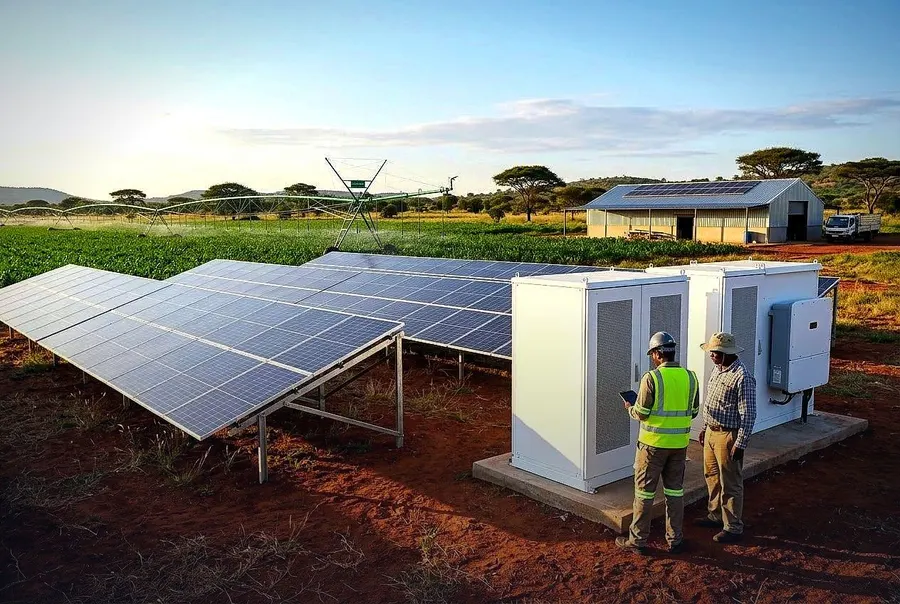 Agriculture · 9 min readHybrid solar microgrids for farms and agro-processors in ZimbabweRead the guide
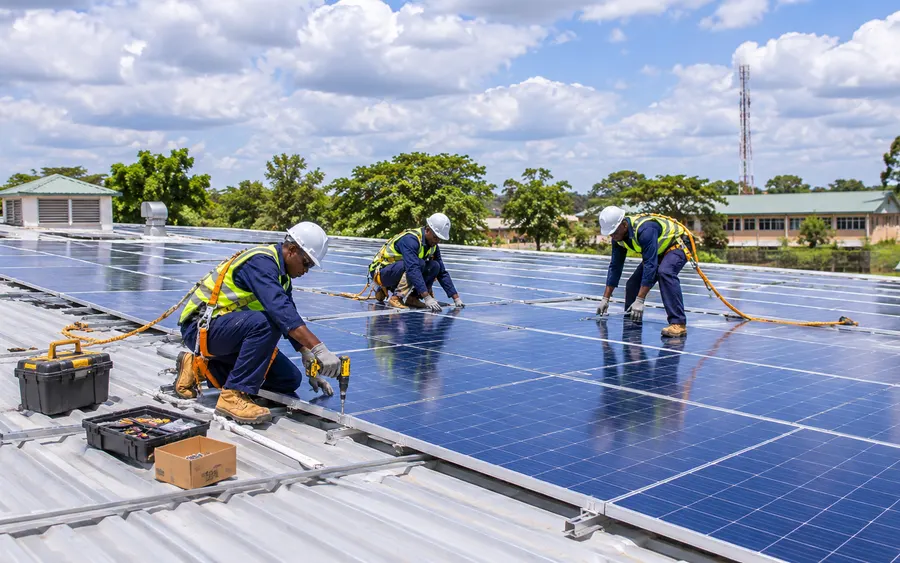 Storage · 10 min readSizing solar plus battery: the questions that decide the design and the costRead the guide
 Diesel · 10 min readCutting diesel cost at a Zimbabwean site: solar, storage and generator controlRead the guide
Talk to an AVEX GRID consultant
Have a project in mind, or want a second opinion on a quote you have received? Send us a short message and we will reply within one working day.