
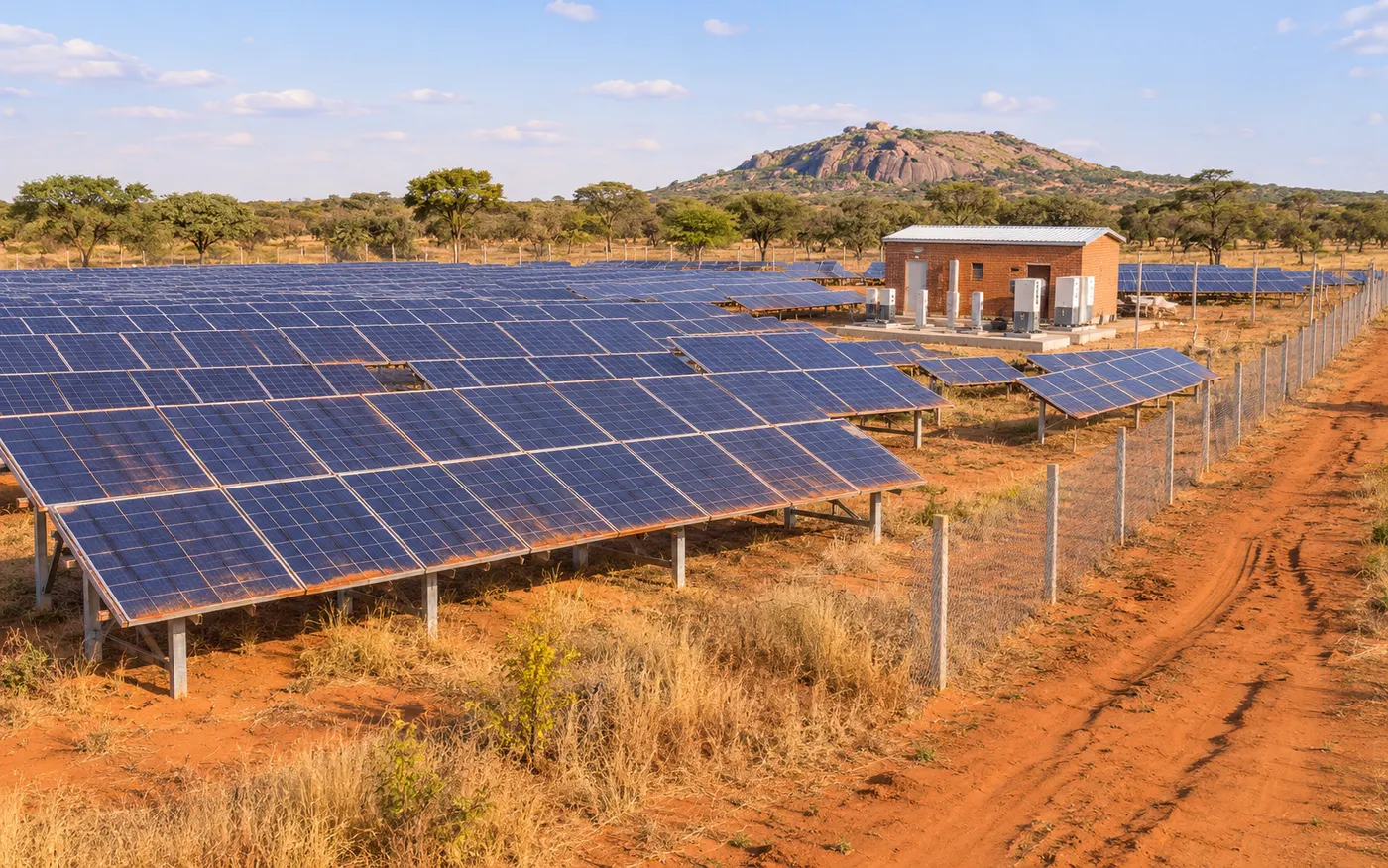
Utility & Captive Generation
IPPs, embedded generators and large sites with their own generation, working through ZERA licensing, grid-code compliance and wheeling power to third parties.
In depth
How to develop a solar IPP in Zimbabwe: licence, PPA and what lenders check
Zimbabwe makes less electricity than it needs, and it has opened the door to private producers. Solar developers can now get licences, guarantees and long-term contracts. This guide explains the path in plain terms. It also covers what slows projects down and what lenders look for. It is written for developers, investors, and the lenders and advisers around them.
The market in brief
The Zimbabwe Energy Regulatory Authority (ZERA) reported that most licence applications were for solar systems that companies build for their own use. The part of the market that sells to the grid needs a PPA. Examples include a 30 MWac pilot (Vungu Solar) with a 25-year PPA signed with ZETDC in early 2026, a 100 MW solar-plus-storage project (Matshela Energy). There is also a 25-year agreement for a large plant in Mashonaland West (Sigma Solar Africa project, June 2026).
A licence is not a plant. Earlier ZERA figures showed far more licensed capacity than working capacity. The same reports note that one project took more than two years to get its licence before it could sign a PPA. Budget time and development money for that gap.
The development path
The government has also described a guarantee package to reduce risk for IPPs. It covers payment security, tariffs that reflect cost, and currency conversion. The terms differ from year to year. So we read the exact document in force when you sign.
What lenders and their engineers check
Banks and development finance institutions do not lend on a brochure. They hire an independent engineer to read your technical file. Expect questions in five areas:
- Energy yield. An independent assessment with P50 and P90 values. These are the energy you beat in 50% and 90% of years. It also covers yearly loss of output, uptime and other losses, using…
- Grid. A grid impact study that shows the plant can connect without breaking voltage, fault current or protection limits. It should also give an honest view of the risk of curtailment (being told to…
- Land and permits. Land title or lease, environmental approvals and other consents, with a timeline that matches the financial model.
- The buyer and the contracts. The PPA's payment terms, how well the buyer can pay, the guarantees and the currency of payment.
Read the full guide: How to develop a solar IPP in Zimbabwe: licence, PPA and what lenders checkAlso covered: Where projects commonly stall
What you get
Connecting and running a power plant means studies, approvals and protection that work.
Grid connection studies
Load-flow, short-circuit and protection studies for your connection.
Technical papers for approvals
The technical files that go with licence applications and agreements.
Output and finance models
Models your lenders can follow.
Deliverables
What lands in your inbox
- Grid connection study: load flow and short circuit at your connection point
- Protection and grid-code compliance study
- Technical annex for the licence application
- Output forecast (P50/P90) and finance model
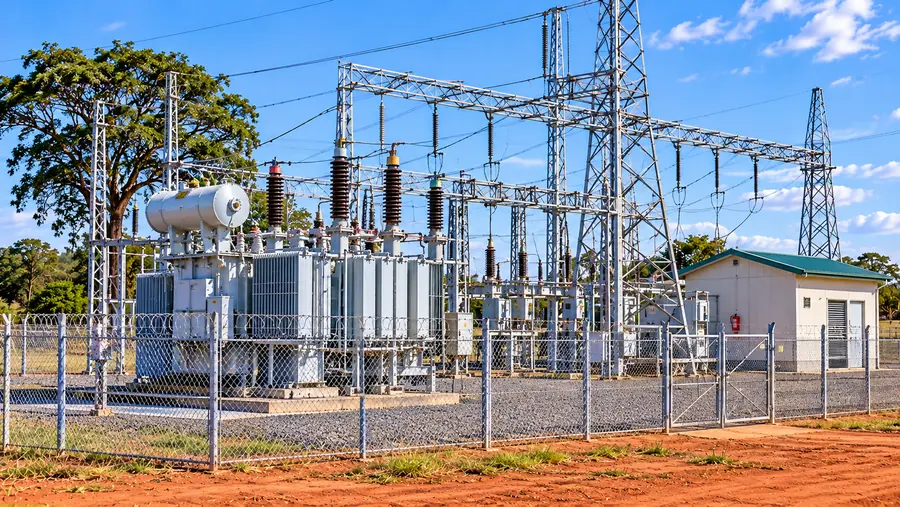 Substation and protection
Before the call
What to bring
Rough information is fine. This is what lets us scope and quote quickly.
- Site location, capacity and technology
- Where your grid connection stands, and any letters from the utility
- Any feasibility or output study already done
- Your timeline and who will buy the power
How we work
From first message to finished work
- 1
Brief
A short call or message. Tell us about your site, your deadline and what is at stake. We reply within one working day.
- 2
Scope & fixed quote
We agree exactly what we will deliver, what we need from you, the timeline and a fixed price, before any work starts.
- 3
Engineer & document
We study your data, test the options and write the report or application, with every assumption stated.
- 4
Hand over & support
You get the finished package and a walk-through. We stay available while it is reviewed, approved or built.
Questions we hear
Before you book
Do you design the whole plant?
We do the studies, concept design and specifications. Detailed build design can be added with partners.
What happens after I book a call?
We reply within one working day, agree a short scope and a fixed quote, and start once you approve it.
Keep reading
The full guide, in plain English
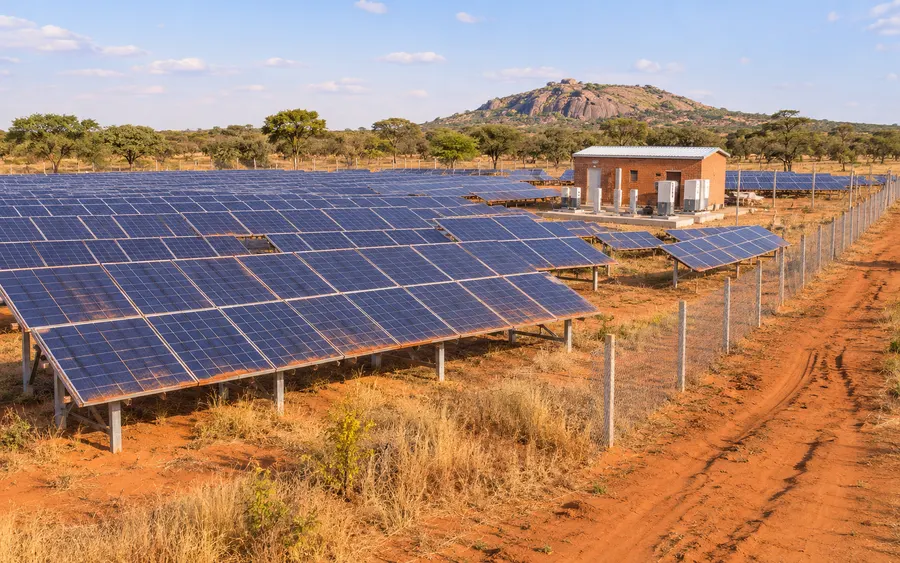 Guide IPP development · 5 min read
How to develop a solar IPP in Zimbabwe: licence, PPA and what lenders check
The path from site to financial close for a grid-connected solar plant in Zimbabwe: ZERA licence, ZETDC power purchase agreement, grid connection and the technical file lenders expect.
The market in briefThe development pathWhat lenders and their engineers checkWhere projects commonly stall
Read the full guide
More guides that go with this page
Talk to an AVEX GRID consultant
Have a project in mind, or want a second opinion on a quote you have received? Send us a short message and we will reply within one working day.