
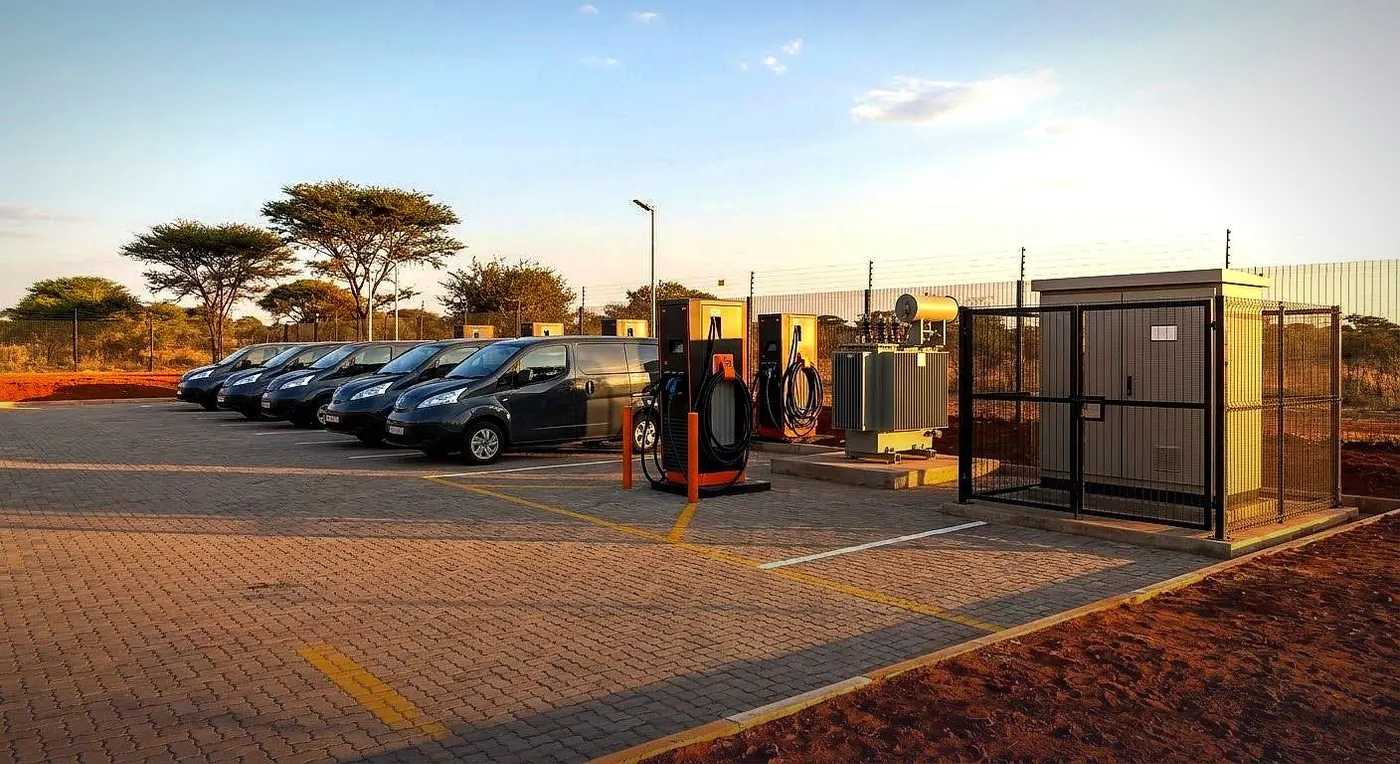
Transport & Logistics
Cross-border haulage depots, fuel terminals, rail sidings and dry ports, where a power cut means lost loads and demurrage charges.
In depth
Transport and logistics depots: managing energy today and preparing for electric fleets
Transport and logistics companies think about fuel, maintenance and driver hours. Electricity is a smaller line in the budget, and that is why it gets neglected. But a depot with a workshop, a wash bay, a large yard and an office building uses a lot of electricity. The way it uses that electricity is about to change.
The load today
A typical depot has four groups of electrical loads. The workshop has welding sets, lifts, tyre and wheel equipment, compressors, and pits or ramps with extraction fans. The yard has lighting, gates and security systems that run all night. The offices have lighting, computers and air conditioning. Some depots add refrigeration for cold-chain work, fuel pumps, and a vehicle wash with pumps and heaters.
An audit that logs the main incomer for two weeks shows the daily and weekly pattern. It shows the base load that runs overnight, and the peaks. The base load is important in depots, because yard lighting and security systems run all night. It is usually larger than managers expect.
Lighting, compressed air and the workshop
Yard and area lighting is a large and steady load. It responds well to LED fittings (light-emitting diodes, lamps that give the same light as older bulbs for a fraction of the power) with controls. A good control scheme dims or switches zones according to activity, using time schedules and presence sensors. A quiet part of the yard then stays dim and brightens when a vehicle or person comes near.
Reliability: the depot that cannot stop
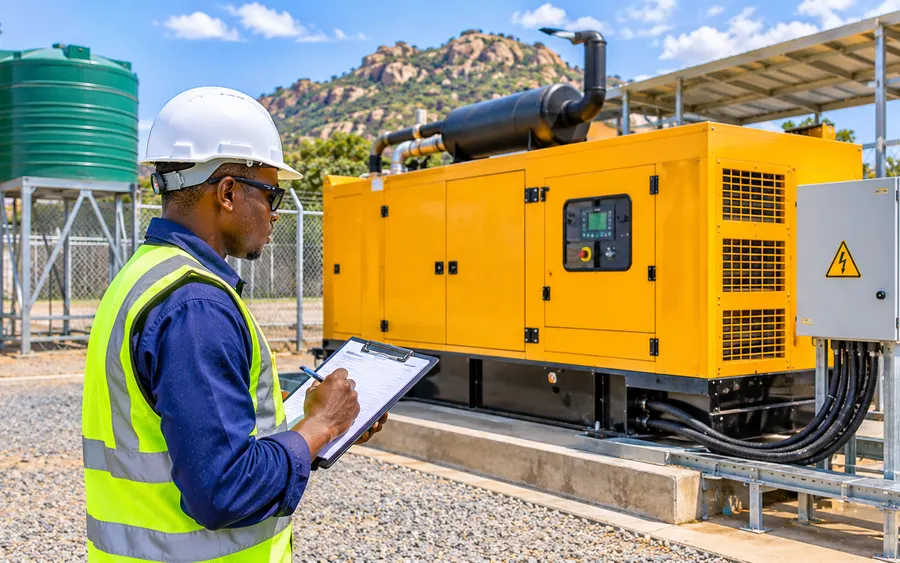
A depot that cannot send out vehicles loses revenue every hour. A power cut stops the workshop, the wash, the fuel pumps, the electronic gates and the security systems. It can also leave vehicles locked in or locked out. For many operators, two things give enough protection. One is a generator with automatic changeover, sized for the essential loads. The other is a small UPS for the dispatch and communications systems.
Read the full guide: Transport and logistics depots: managing energy today and preparing for electric fleetsAlso covered: The arrival of electric vehicles · How to prepare without overspending
What you get
Depots and workshops run long hours on diesel and grid power.
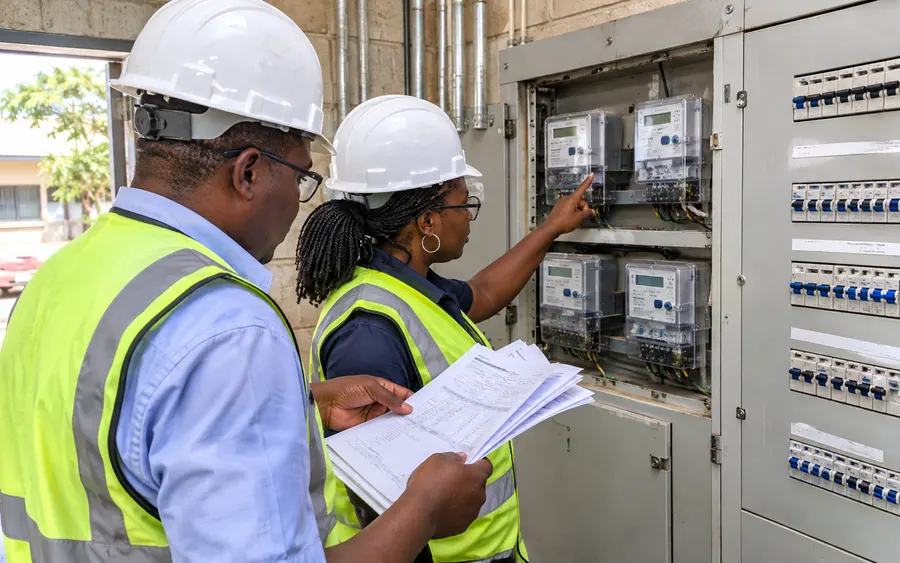
Depot electrical review
We check the load, the protection and your peak demand.
Solar for depots
Use solar to cover your daytime load.
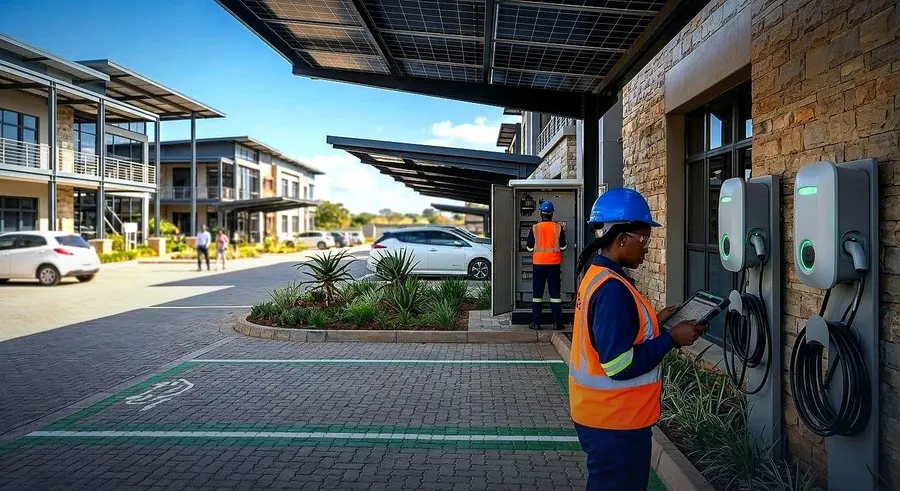
Ready for electric vehicles
An early look at whether your supply can handle charging.
Deliverables
What lands in your inbox
- Depot electrical review: load, protection and peak demand
- Solar design to cover daytime load
- A check on whether your supply can carry electric vehicle charging
- Where your diesel and grid costs stand today
 EV charging
Before the call
What to bring
Rough information is fine. This is what lets us scope and quote quickly.
- Your last 12 months of bills and diesel records
- Depot single-line diagram or a photo of the main board
- Operating hours and fleet size
- Any plans to move to electric vehicles
How we work
From first message to finished work
- 1
Brief
A short call or message. Tell us about your site, your deadline and what is at stake. We reply within one working day.
- 2
Scope & fixed quote
We agree exactly what we will deliver, what we need from you, the timeline and a fixed price, before any work starts.
- 3
Engineer & document
We study your data, test the options and write the report or application, with every assumption stated.
- 4
Hand over & support
You get the finished package and a walk-through. We stay available while it is reviewed, approved or built.
Questions we hear
Before you book
Can you plan vehicle charging?
We check whether your supply can carry the charging load. You choose the equipment with suppliers.
What happens after I book a call?
We reply within one working day, agree a short scope and a fixed quote, and start once you approve it.
Keep reading
The full guide, in plain English
 Guide Transport · 6 min read
Transport and logistics depots: managing energy today and preparing for electric fleets
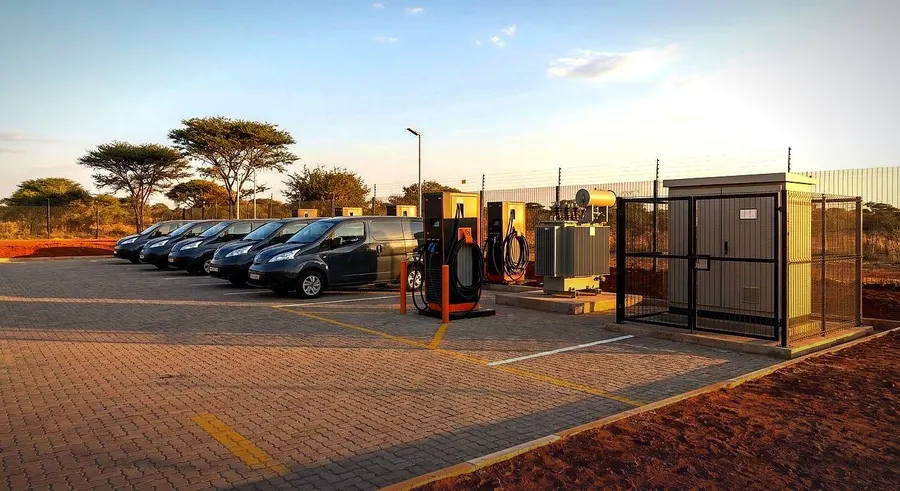
A depot combines workshops, offices, yard lighting, fuel handling and, increasingly, vehicle charging. This article explains how to manage today's load, protect against outages, and prepare the electrical system for electric vehicles without paying for capacity that is not needed.
The load todayLighting, compressed air and the workshopReliability: the depot that cannot stopThe arrival of electric vehiclesHow to prepare without overspending
Read the full guide
More guides that go with this page
 Tariffs · 10 min readZimbabwe electricity tariffs explained: maximum demand, power factor and how to cut your billRead the guide
 Tariffs · 7 min readHow to cut maximum demand charges in Zimbabwe: seven tactics that workRead the guide
 Diesel · 10 min readCutting diesel cost at a Zimbabwean site: solar, storage and generator controlRead the guide
Talk to an AVEX GRID consultant
Have a project in mind, or want a second opinion on a quote you have received? Send us a short message and we will reply within one working day.