
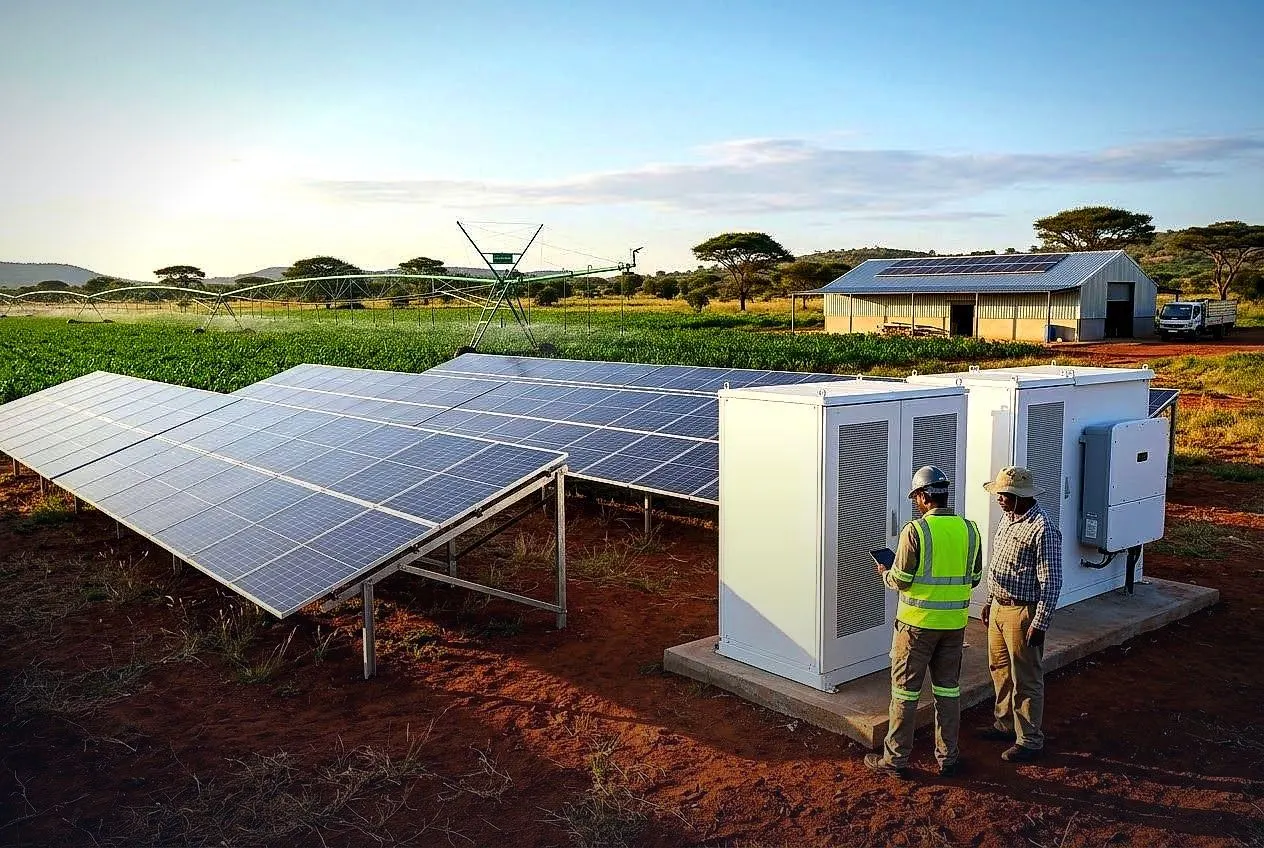
Agro-processing & Cold Chain
Tobacco, horticulture, dairy and cold-chain operators whose European buyers now want proof of a low-carbon supply chain.
In depth
Hybrid solar microgrids for farms and agro-processors in Zimbabwe
Zimbabwean agriculture is moving to solar for a plain reason: diesel and power cuts cost money in the field. Farmers in Beitbridge switched to solar irrigation after fuel costs and power cuts disrupted their production cycles. Pay-as-you-go schemes now target small farmers too. For larger farms and agro-processors, the question is how to combine solar with the grid and a generator so that the system stays reliable.
Why a hybrid, not "just solar"
Solar alone produces only in daylight. Batteries move some of that energy into the evening, but each hour of storage costs money. The grid and a generator cover the rest. A hybrid controller decides, minute by minute, which source to use. The result costs less than diesel and is more reliable than the grid alone.
A sizing method you can follow
- List the loads. For each machine, note the kW, the hours per day and the months it runs. Pumps and cold rooms usually dominate.
- Find the critical load. What must keep running through a power cut? It could be cold rooms, a milking parlour or a borehole. Size the batteries and generator around that list.
- Estimate solar yield. Most of Zimbabwe yields roughly 1,600 to 1,800 kWh per kWp per year. A kWh, or kilowatt-hour, is the energy of 1,000 watts used for one hour. It is the unit…
- Compare with your energy cost. Count the diesel litres and grid kWh that solar would replace, using your real prices.
Costs and incentives
Farmers' groups said in 2025 that taxes on solar installations were holding back uptake. They had asked for VAT relief, but the budget did not include it. We check duties and VAT on the equipment before you fix a budget.
Read the full guide: Hybrid solar microgrids for farms and agro-processors in ZimbabweAlso covered: Common mistakes · A worked example: sizing a solar borehole · Cold rooms and the value of thermal storage · Controllers, protection and the generator
What you get
Cold rooms and irrigation make power a big cost that rises and falls with the season.
Solar for daytime use
Cold rooms and pumps suit solar well. We size it to the way you use power.
Less risk of spoilage
Backup and protection for the cold rooms that cannot lose power.
Season-by-season costs
See how your bill moves through the year and plan for it.
Deliverables
What lands in your inbox
- A season-by-season power model for cold rooms, pumping and processing
- Solar and battery sizing against your daytime load
- Backup power design for the cold rooms that must stay on
- Energy and emissions figures for export buyers
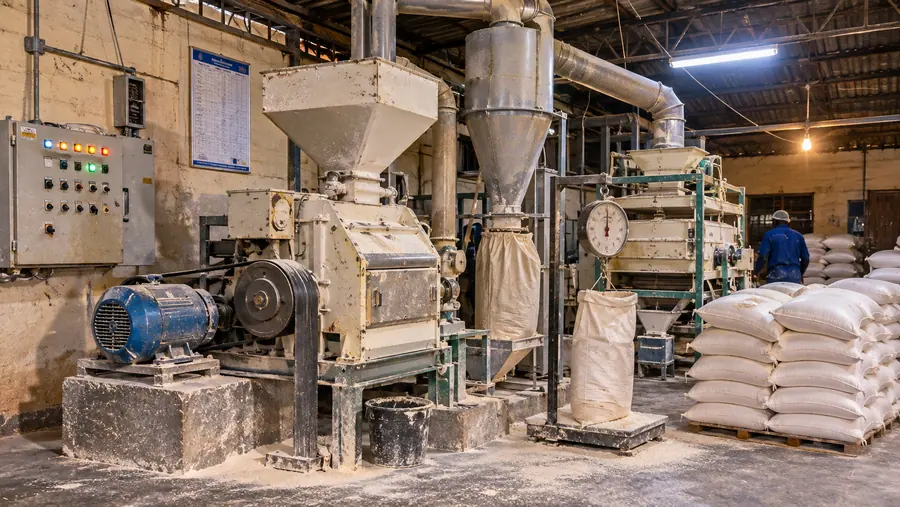 Agro-processing load
Before the call
What to bring
Rough information is fine. This is what lets us scope and quote quickly.
- Your last 12 months of bills, including the peak season
- Cold-room and pump ratings
- Generator running hours or diesel purchases
- Roof or land you could use for solar
How we work
From first message to finished work
- 1
Brief
A short call or message. Tell us about your site, your deadline and what is at stake. We reply within one working day.
- 2
Scope & fixed quote
We agree exactly what we will deliver, what we need from you, the timeline and a fixed price, before any work starts.
- 3
Engineer & document
We study your data, test the options and write the report or application, with every assumption stated.
- 4
Hand over & support
You get the finished package and a walk-through. We stay available while it is reviewed, approved or built.
Questions we hear
Before you book
Can solar alone run my cold room?
Usually it needs batteries or a generator as backup. We model the options for your site.
What happens after I book a call?
We reply within one working day, agree a short scope and a fixed quote, and start once you approve it.
Keep reading
The full guide, in plain English
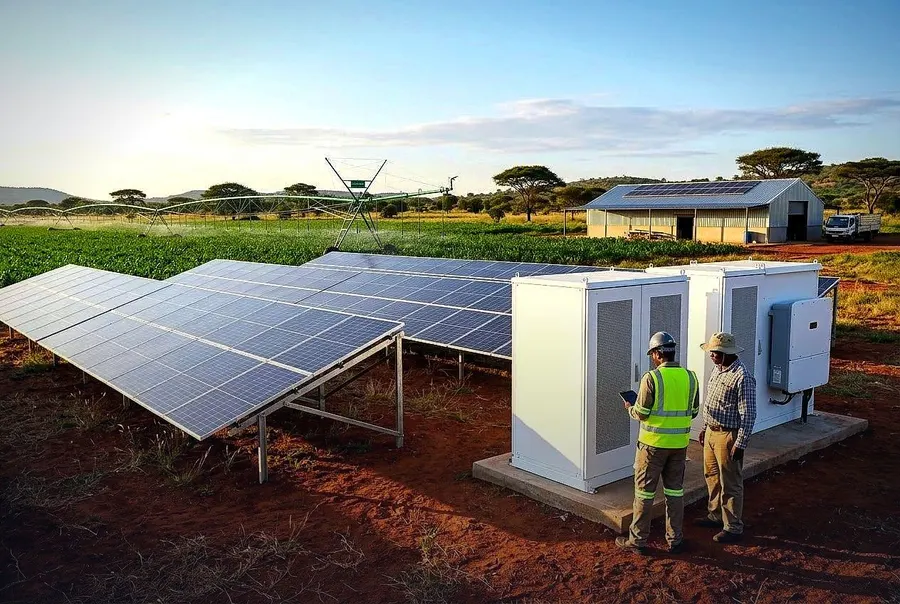 Guide Agriculture · 9 min read
Hybrid solar microgrids for farms and agro-processors in Zimbabwe
How farms, packhouses, cold rooms and tobacco operations can combine solar, batteries, the grid and a generator, with a sizing method and the mistakes to avoid.
Why a hybrid, not "just solar"A sizing method you can followCosts and incentivesCommon mistakesA worked example: sizing a solar boreholeCold rooms and the value of thermal storage
Read the full guide
More guides that go with this page
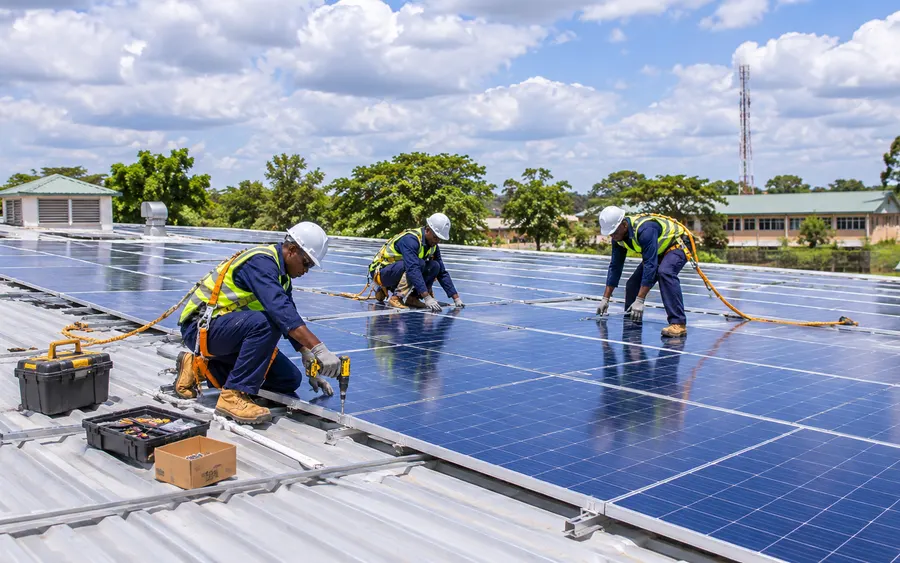 Storage · 10 min readSizing solar plus battery: the questions that decide the design and the costRead the guide
 Solar · 9 min readSolar for business in Zimbabwe: own-consumption licences, net metering and when it paysRead the guide
 Mining power · 7 min readPowering a mine in Zimbabwe: grid, diesel or solar plus storage?Read the guide
Talk to an AVEX GRID consultant
Have a project in mind, or want a second opinion on a quote you have received? Send us a short message and we will reply within one working day.