
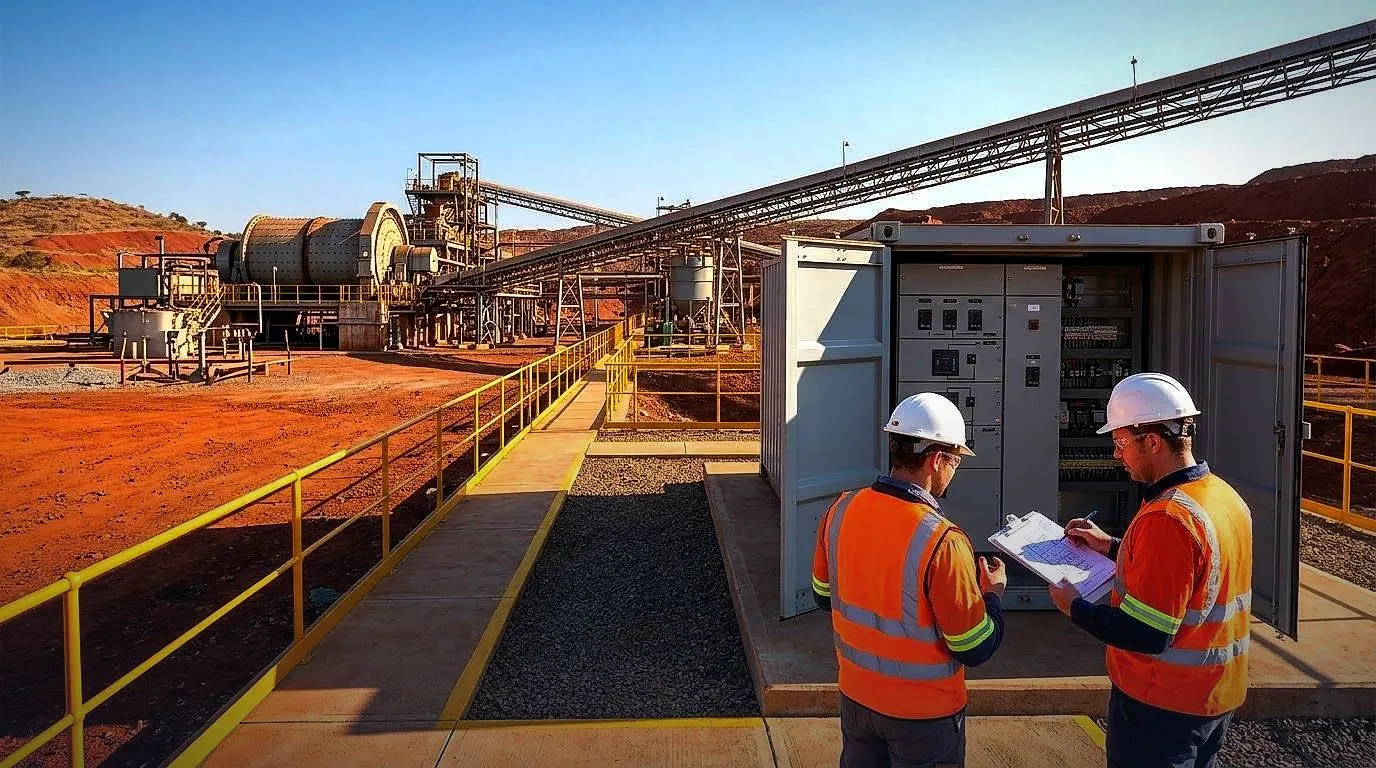
Mining & Mineral Processing
Gold, lithium, platinum and chrome operations that lose production to load-shedding, and whose carbon footprint now decides whether they can export.
In depth
Powering a mine in Zimbabwe: grid, diesel or solar plus storage?
Zimbabwe's mining story is no longer only about gold and platinum. Lithium, chrome and nickel projects have drawn large foreign capital, including from China. Every one of them depends on electricity. This article sets out the power choices a mine has, how to compare them, and what the approval path looks like. It is written for mine managers, owners, and the investors and lenders behind them.
The supply gap, in numbers
Reports from late 2025 describe a grid that generates well below peak demand. Hwange thermal power station and Kariba hydropower supply most of the power. Kariba is sensitive to drought. In 2025 its output fell from an installed 1,050 MW to a few hundred megawatts, before water allocations improved. A megawatt (MW) is 1,000 kilowatts, or 1 million watts. Independent producers added only a small share.
The World Bank has estimated that power shortages cost Zimbabwe about 6.1% of GDP a year. For a mine, the cost shows up as lost hours, damaged equipment and diesel bills. Load-shedding means planned power cuts when there is not enough electricity for everyone.
Four ways to power a mine
In practice most mines build a hybrid. The grid stays connected for stability. Solar covers the day. Batteries shave the peaks and carry you through short outages. Diesel becomes the last resort instead of the default.
Does solar work on a 24-hour load? A worked example
Mining and mineral processing often run around the clock, but solar makes power only in daylight. A simple calculation shows why design matters. These assumptions are worked figures, not measurements:
- The average load is 5 MW, running 24 hours a day. That is 5 MW × 8,760 hours = 43,800 MWh a year.
- The solar plant is 6 MWp. Most of Zimbabwe yields roughly 1,600 to 1,800 kWh per kWp per year. A kilowatt-hour (kWh) is the energy of 1,000 watts used for one hour, and it…
- Solar then supplies about 23% of the annual energy, before losses and curtailment, and without storage.
Read the full guide: Powering a mine in Zimbabwe: grid, diesel or solar plus storage?Also covered: What the licensing path looks like · Lessons from the lithium belt · How to decide: the five-step feasibility route
What you get
Power is one of the biggest costs on a mine or mill, and one of the few you can control.
Lower your peak charges
We find what sets your maximum demand (the peak ZETDC charges you for) and how to bring it down without slowing production.
Steady power for your key plant
We check power quality and protection around your big motors, drives and transformers.
Your own solar and batteries
We design the system and work out the payback, so you burn less diesel and lean less on the grid.
Deliverables
What lands in your inbox
- Maximum demand and tariff review across your mill, hoisting and pumping
- Load-flow and short-circuit studies for your main substation
- Arc-flash and protection studies, with warning labels for your boards
- A solar and battery feasibility study to cut your diesel use
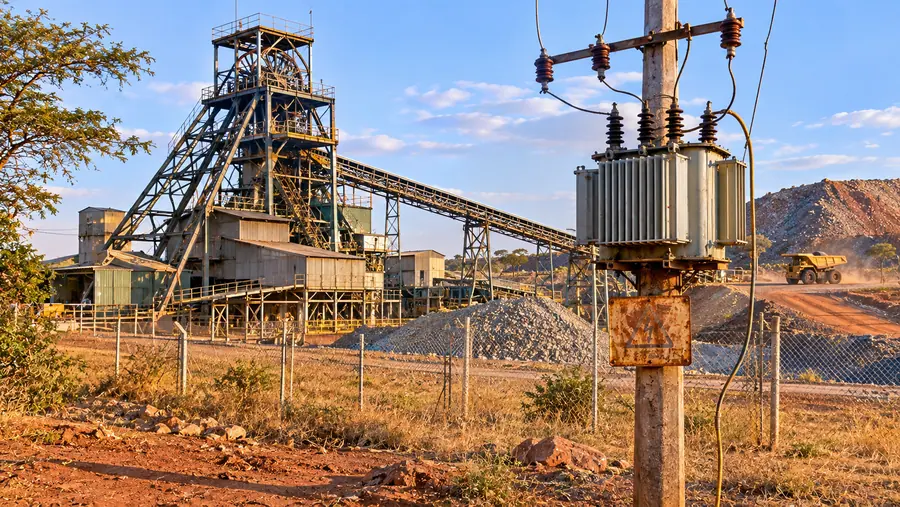 Mine power supply
Before the call
What to bring
Rough information is fine. This is what lets us scope and quote quickly.
- Your last 12 months of bills, showing maximum demand
- Single-line diagram of your main substation
- Diesel use and generator ratings
- Any plans to expand the mill or plant
How we work
From first message to finished work
- 1
Brief
A short call or message. Tell us about your site, your deadline and what is at stake. We reply within one working day.
- 2
Scope & fixed quote
We agree exactly what we will deliver, what we need from you, the timeline and a fixed price, before any work starts.
- 3
Engineer & document
We study your data, test the options and write the report or application, with every assumption stated.
- 4
Hand over & support
You get the finished package and a walk-through. We stay available while it is reviewed, approved or built.
Questions we hear
Before you book
Can you work at a remote mine?
Yes. We plan the visit so you need little time on site, and do the modelling remotely.
What happens after I book a call?
We reply within one working day, agree a short scope and a fixed quote, and start once you approve it.
Keep reading
The full guide, in plain English
 Guide Mining power · 7 min read
Powering a mine in Zimbabwe: grid, diesel or solar plus storage?
A guide for mine owners and foreign investors: the supply gap, the four ways to power a mine, the licensing path, and how to decide with numbers.
The supply gap, in numbersFour ways to power a mineDoes solar work on a 24-hour load? A worked exampleWhat the licensing path looks likeLessons from the lithium beltHow to decide: the five-step feasibility route
Read the full guide
More guides that go with this page
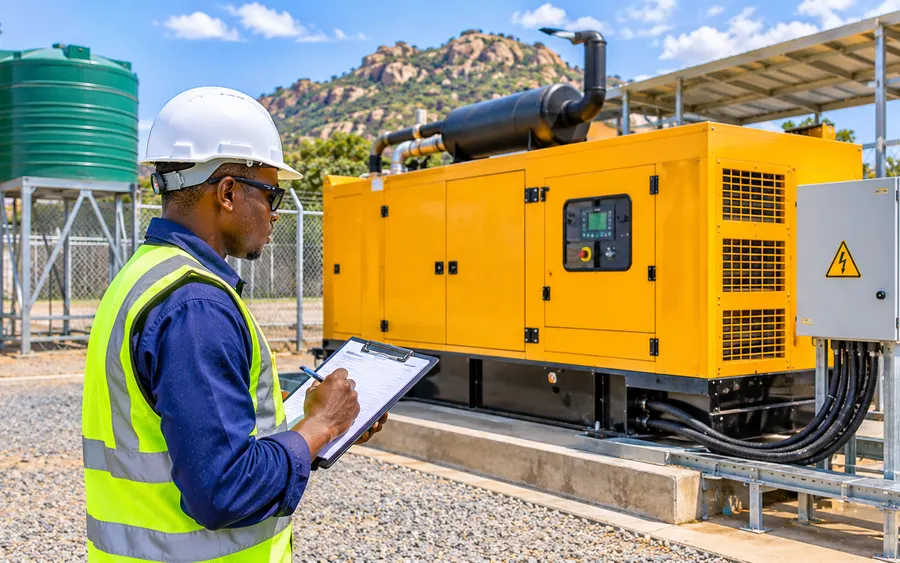 Diesel · 10 min readCutting diesel cost at a Zimbabwean site: solar, storage and generator controlRead the guide
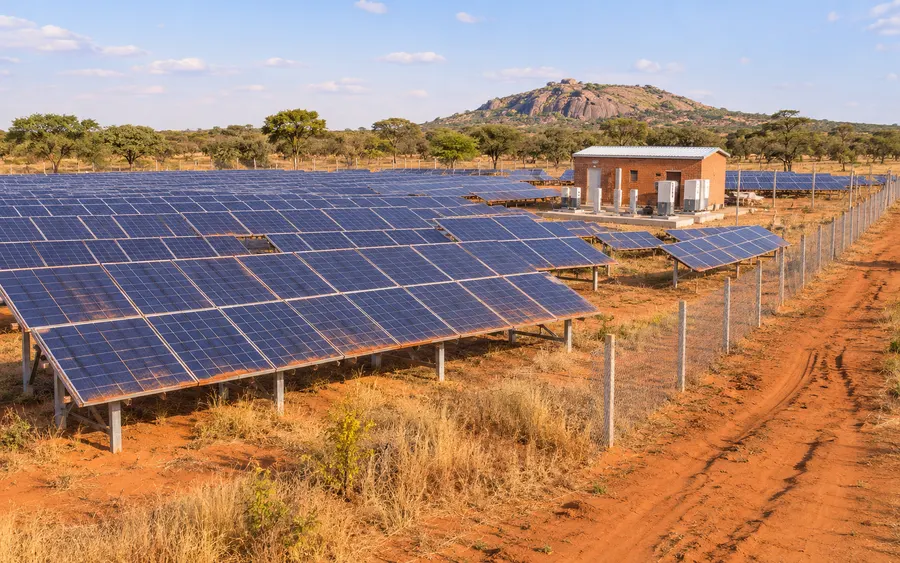 IPP development · 5 min readHow to develop a solar IPP in Zimbabwe: licence, PPA and what lenders checkRead the guide
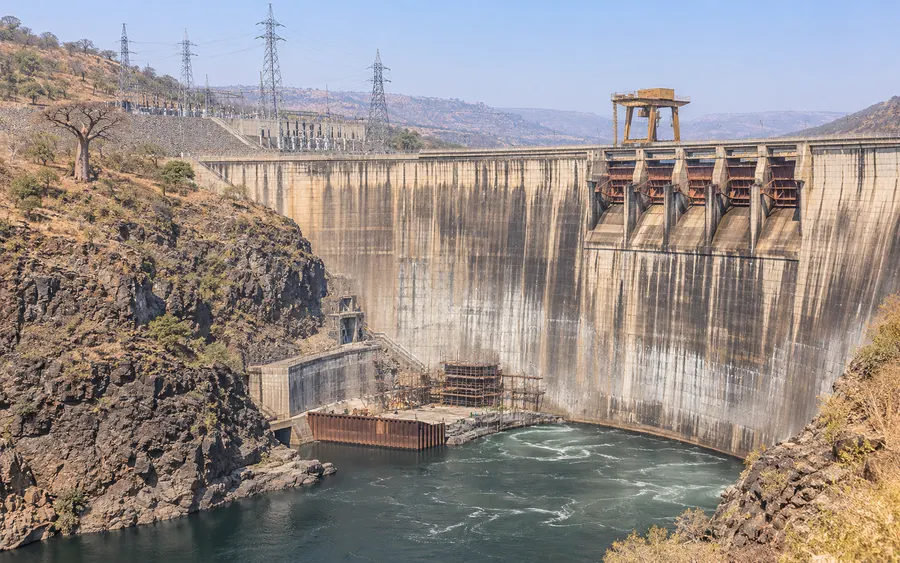 Investment · 6 min readInvest in Zimbabwe's energy sector: opportunities, incentives and the due diligence you needRead the guide
Talk to an AVEX GRID consultant
Have a project in mind, or want a second opinion on a quote you have received? Send us a short message and we will reply within one working day.