
Government & Local Authorities
Ministries, parastatals, city councils and rural district councils that deliver services under heavy electricity costs and donor-backed net-zero commitments.
In depth
Government and public buildings: designing an energy-efficiency programme that lasts
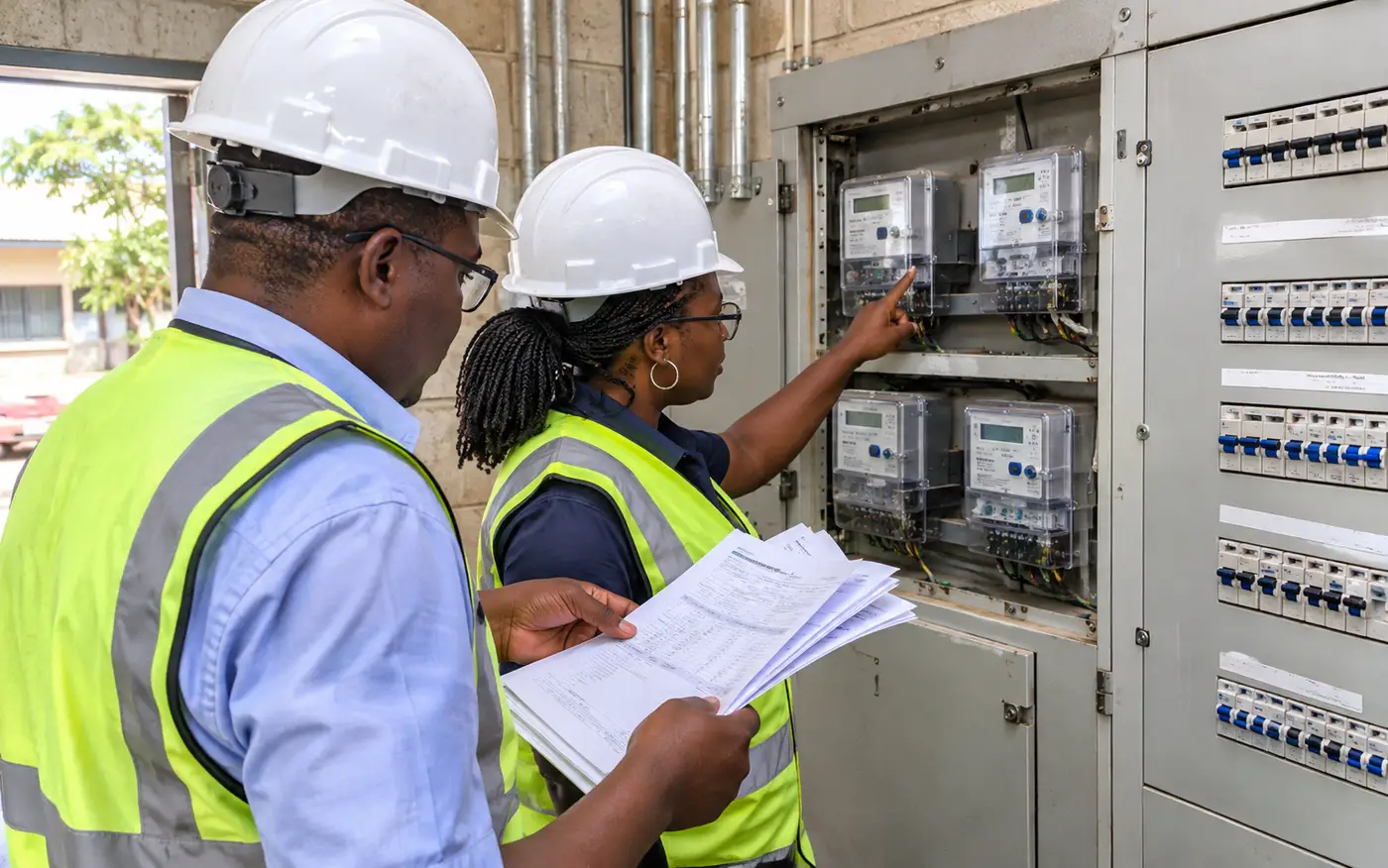
A ministry, a city council or a public agency may occupy dozens of buildings, from offices and clinics to depots and water works. Each building has its own meter, its own bill and often its own budget holder, and the total is large. The usual response is to pay on time.
A baseline is the starting point
An energy programme needs a reference to measure change against. This is the baseline, the starting point you measure savings against. It should hold at least twenty-four months of bills for every building and meter. It should also hold the facts that explain them: floor area, occupancy hours, the main equipment and any change in use. Divide the annual energy by the floor area, and you can compare buildings of different sizes. Odd ones then stand out at once.
The baseline also protects the programme. Savings claimed without a baseline are only stories. Savings measured against a documented baseline are evidence. You correct the baseline for weather, occupancy and any change in use. Evidence is what a finance ministry or a donor asks for when the next phase is considered.
The regulatory framework
The Electricity (Energy Management) Regulations, SI 122 of 2026, say which sites are designated facilities. A site is designated if it has an installed capacity of 100 kVA or more. It is also designated if it is a maximum-demand customer of the utility. kVA, the kilovolt-ampere, is the size of the load on the supply. Transformers and generators are rated in kVA. The regulations do not exempt public bodies.
Choosing the measures
In public buildings, the measures that most often pay are the same in every country. Replace lighting with LED fittings (light-emitting diodes, lamps that give the same light as older bulbs for a fraction of the power) and control it with timers or sensors. Public buildings are lit for long hours, often with old fittings. Maintain and control the air conditioning, with sensible set points, schedules and clean coils.
The order matters. Do the low-cost operating measures first, such as schedules and set points, because they reduce the load. Then replace equipment where the payback is clear. Payback is the time the savings take to repay the cost of the project.
Read the full guide: Government and public buildings: designing an energy-efficiency programme that lastsAlso covered: Buying for whole-life cost · Measurement and verification
What you get
Public buildings need technical advice that is open and well documented.
Clear technical reports
Written so non-engineers and auditors can follow them.
Savings across all your buildings
We rank buildings and pumps by where you save most.
Ready for tender
Specifications you can put straight into a tender.
Deliverables
What lands in your inbox
- Plain-language technical report for non-engineers and auditors
- Buildings and pumps ranked by where you save most
- Specifications ready for tender
- Savings estimate with stated assumptions
 Thermal generation
Before the call
What to bring
Rough information is fine. This is what lets us scope and quote quickly.
- Bills for the buildings in scope
- List of buildings, pumps and equipment
- Procurement rules or terms of reference
- Reporting deadline
How we work
From first message to finished work
- 1
Brief
A short call or message. Tell us about your site, your deadline and what is at stake. We reply within one working day.
- 2
Scope & fixed quote
We agree exactly what we will deliver, what we need from you, the timeline and a fixed price, before any work starts.
- 3
Engineer & document
We study your data, test the options and write the report or application, with every assumption stated.
- 4
Hand over & support
You get the finished package and a walk-through. We stay available while it is reviewed, approved or built.
Questions we hear
Before you book
Can you bid for public tenders?
Public tenders can ask for specific registrations. We tell you up front what applies and work with partners where needed.
What happens after I book a call?
We reply within one working day, agree a short scope and a fixed quote, and start once you approve it.
Keep reading
The full guide, in plain English
 Guide Government · 6 min read
Government and public buildings: designing an energy-efficiency programme that lasts
Public bodies pay large electricity bills across many buildings. This article sets out how to build a baseline, apply SI 122, choose measures, procure for whole-life cost and prove savings with measurement and verification.
A baseline is the starting pointThe regulatory frameworkChoosing the measuresBuying for whole-life costMeasurement and verification
Read the full guide
More guides that go with this page
 Compliance · 7 min readEnergy audits in Zimbabwe: what SI 122 of 2026 requires and what you receiveRead the guide
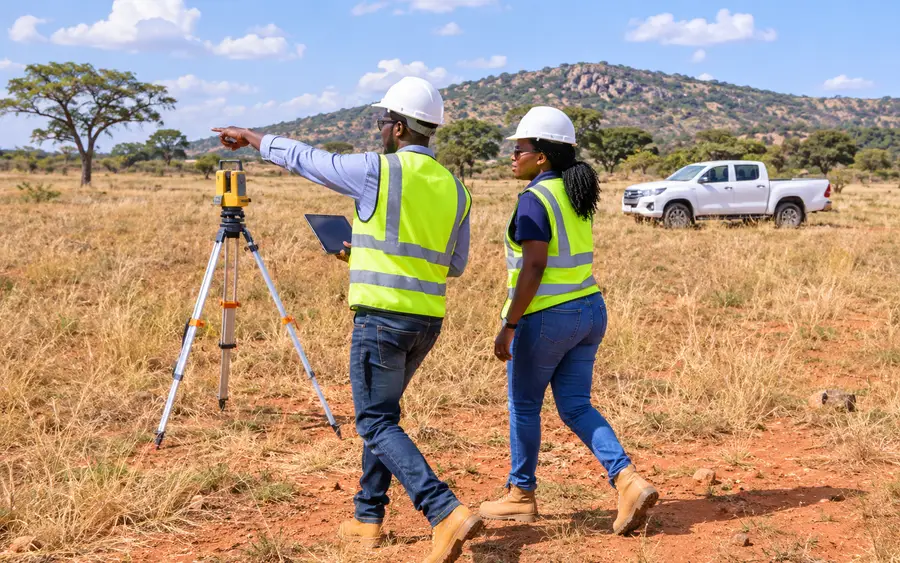 Compliance · 9 min readSI 122 in ten steps: a compliance roadmap for facility managersRead the guide
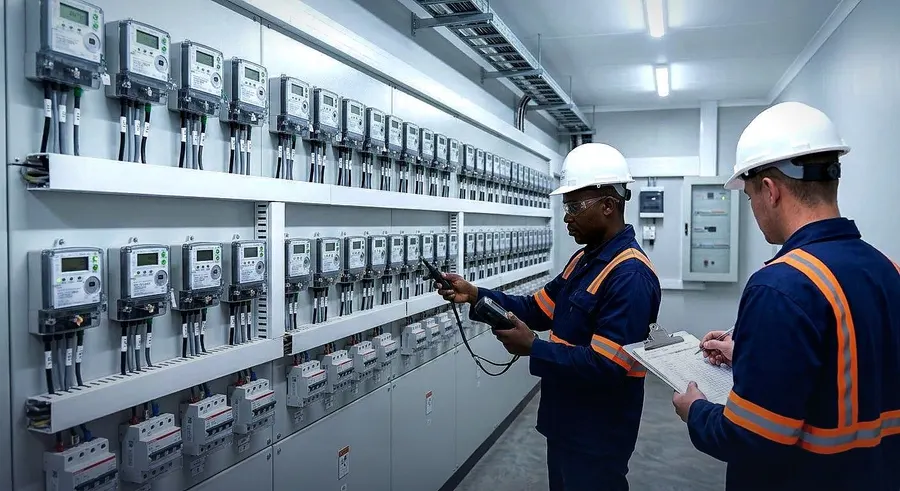 Metering · 7 min readSmart meter verification: how to prove your electricity bills are rightRead the guide
Talk to an AVEX GRID consultant
Have a project in mind, or want a second opinion on a quote you have received? Send us a short message and we will reply within one working day.