
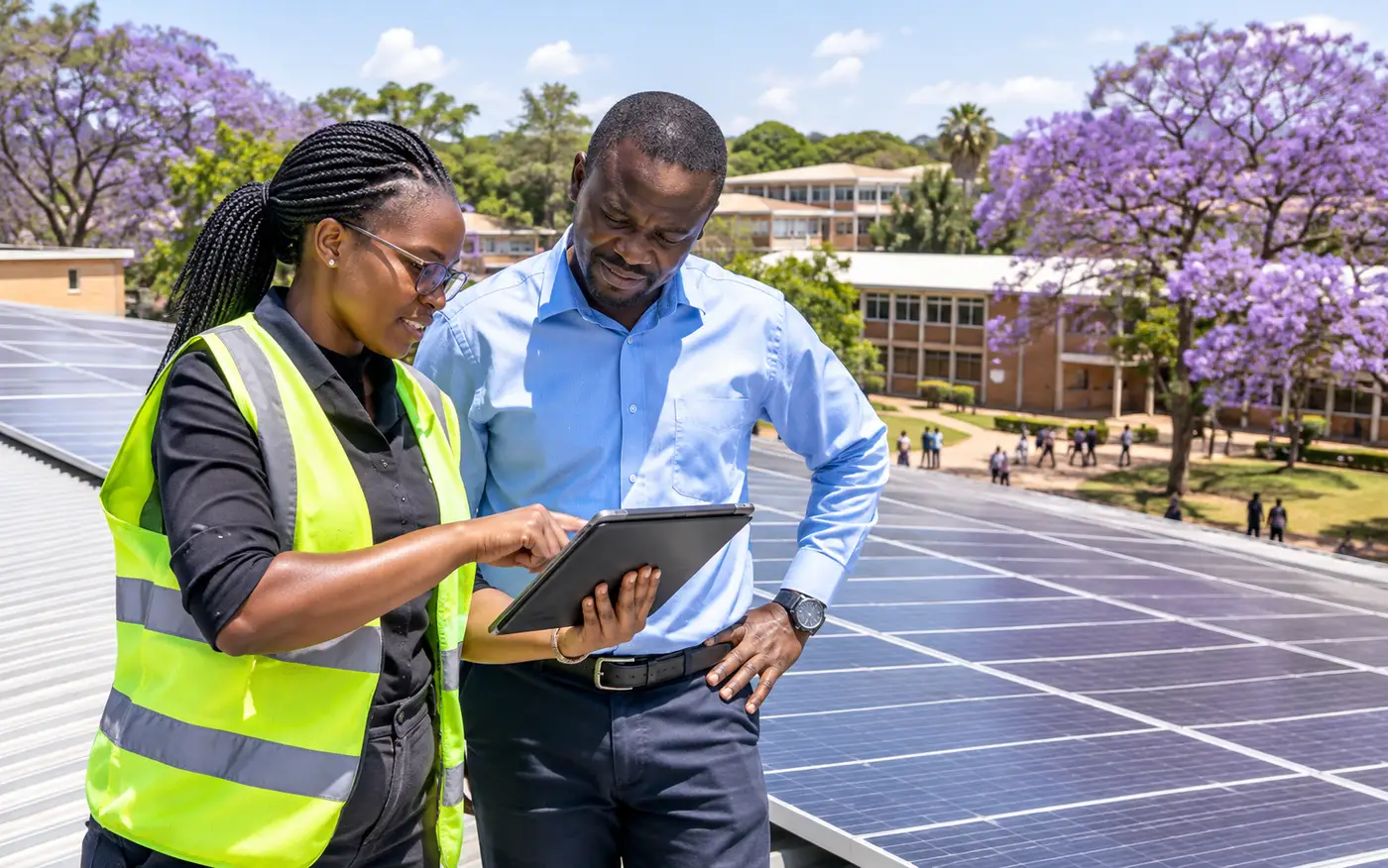
Education & Universities
Universities, boarding schools and technical colleges with big campuses and heavy diesel bills, and with donors who increasingly ask for sustainability.
In depth
Schools and universities: reducing the electricity bill and keeping classes running
People rarely think of schools as big energy users. But a boarding school, a technical college or a university campus is in effect a small town. It has housing, kitchens, laundries, workshops, laboratories, libraries, sports facilities and a water supply. All of it runs on a single electricity account. The leaders of these institutions usually know the size of the bill. Few know what is in it.
What a school's energy bill is made of
The best-known benchmark comes from America. The United States federal government states that space heating, cooling and lighting make up nearly 70% of the energy used in schools. A Department of Energy buildings data book gives shares of 47% to heating, 14% to lighting, 10% to cooling and 4% to computers.
These figures come from a cold climate. You cannot copy them straight to Zimbabwe, where heating is a minor load and the pattern is different. A careful engineer uses them as a reminder. A few systems dominate energy use in a school, and the rest is a long tail.
The supply is changing
Government reports in 2026 say about three-quarters of Zimbabwean schools now have electricity. Rural primary schools are at about 71% to 75%, and rural secondary schools are somewhat higher. The Rural Electrification Agency has set a target of reaching all rural institutions by 2027. Sources differ by several percentage points, so treat the numbers as approximate.
In practice, many schools are moving from having no electricity to having a connection. For these schools, the first electricity bill is a big event. Plan ahead for the load. Also plan what the school will do when the grid fails. This avoids costly corrections later.
Meter by building
A single meter on the main supply hides the information a school needs. Fit sub-meters on the major buildings of the campus. These are the kitchen, the hostels, the library, the workshops, the water plant and the administration block. A member of staff can read the meters each month. Or you can connect them to a simple logging system that reports use automatically.
The data show which building has an unusual pattern. They also show where use carries on overnight or during holidays, when it should be low. Sub-metering also ends arguments inside an institution about who should pay. It supports fair charging to staff housing and to commercial tenants such as bookshops and canteens.
Read the full guide: Schools and universities: reducing the electricity bill and keeping classes runningAlso covered: The measures that usually pay first · Solar on school roofs · Electrical safety and reliability · The regulatory position
What you get
Campuses use power across many buildings, on tight budgets.
Campus energy map
See which buildings push up your bill.
Solar for daytime use
Sized to the power you use in term time.
Funding-ready plan
Documents you can attach to a grant or loan application.
Deliverables
What lands in your inbox
- Campus energy map showing which buildings push up the bill
- Solar sized to your term-time load
- Technical document for grant or loan applications
- Measures ranked by cost and payback
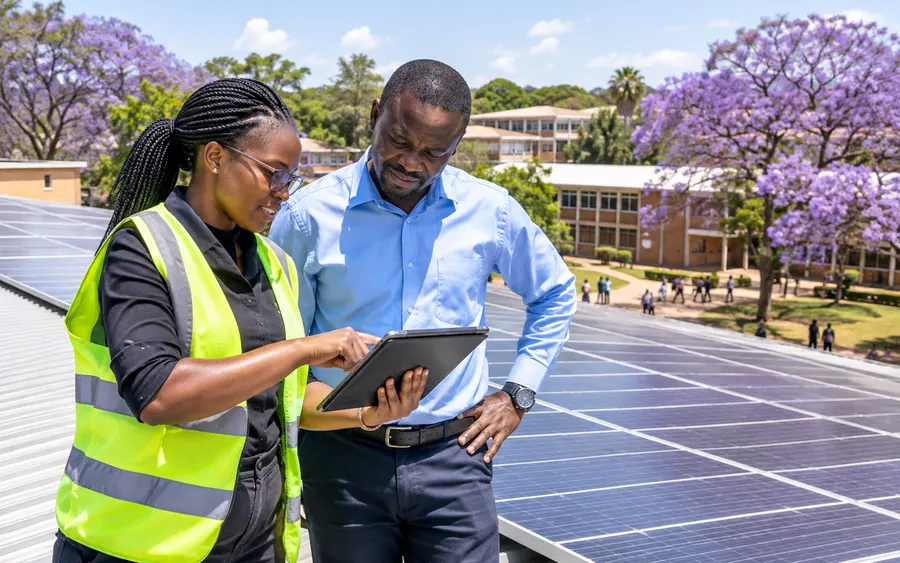 Solar for schools
Before the call
What to bring
Rough information is fine. This is what lets us scope and quote quickly.
- Your last 12 months of bills for each meter
- Campus layout and building list
- Term dates and when buildings are in use
- The funder or donor requirements, if any
How we work
From first message to finished work
- 1
Brief
A short call or message. Tell us about your site, your deadline and what is at stake. We reply within one working day.
- 2
Scope & fixed quote
We agree exactly what we will deliver, what we need from you, the timeline and a fixed price, before any work starts.
- 3
Engineer & document
We study your data, test the options and write the report or application, with every assumption stated.
- 4
Hand over & support
You get the finished package and a walk-through. We stay available while it is reviewed, approved or built.
Questions we hear
Before you book
Can you help with donor applications?
We prepare the technical case. The application itself stays with you.
What happens after I book a call?
We reply within one working day, agree a short scope and a fixed quote, and start once you approve it.
Keep reading
The full guide, in plain English
Guide Education · 7 min read
Schools and universities: reducing the electricity bill and keeping classes running
How schools, colleges and universities use electricity, why metering by building comes first, and how lighting, water heating, pumping and rooftop solar can lower the bill while protecting teaching time.
What a school's energy bill is made ofThe supply is changingMeter by buildingThe measures that usually pay firstSolar on school roofsElectrical safety and reliability
Read the full guide
More guides that go with this page
 Solar · 9 min readSolar for business in Zimbabwe: own-consumption licences, net metering and when it paysRead the guide
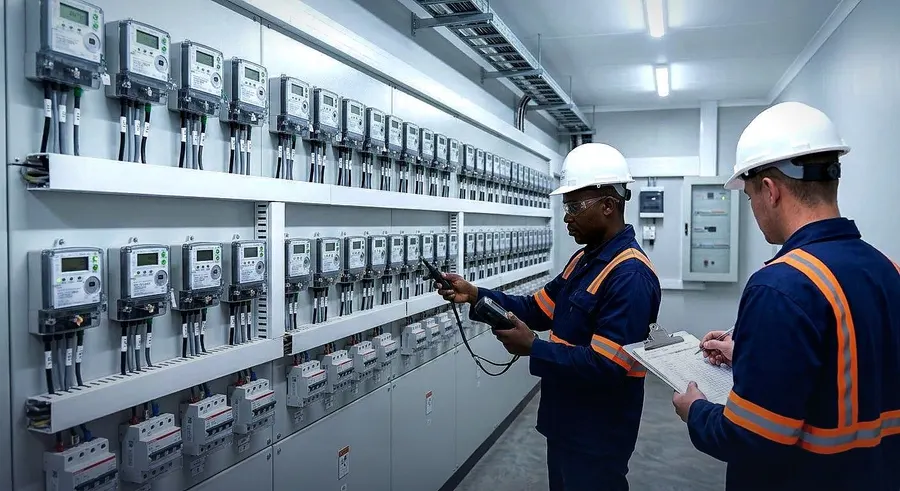 Metering · 7 min readSmart meter verification: how to prove your electricity bills are rightRead the guide
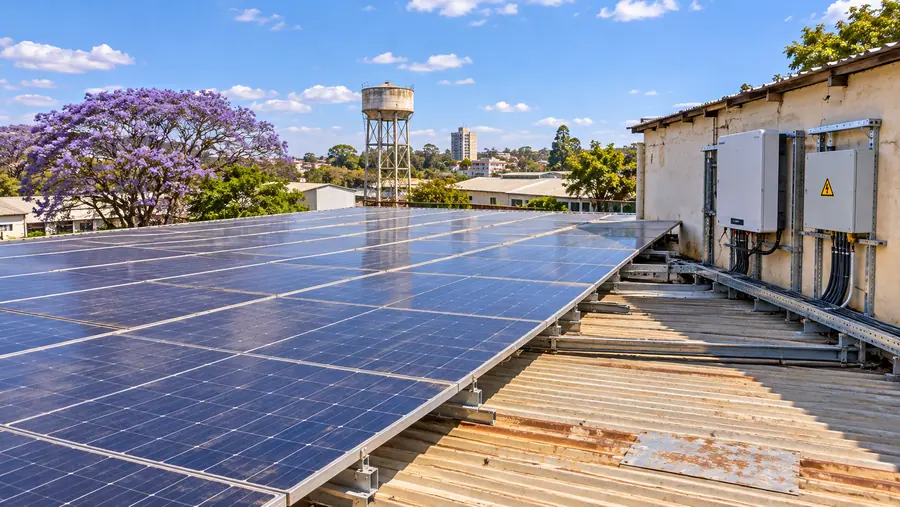 Solar · 11 min readIs solar worth it for your factory? A feasibility study explainedRead the guide
Talk to an AVEX GRID consultant
Have a project in mind, or want a second opinion on a quote you have received? Send us a short message and we will reply within one working day.