

Retail Chains & Supermarkets
Supermarket chains, fuel stations and franchise networks with refrigeration at many sites across Zimbabwe, where every kWh saved goes straight to profit.
In depth
Supermarkets and retail: where the electricity goes and how to reduce it
Food retail runs on narrow margins. After stock and staff, electricity is one of the biggest costs you can control. A supermarket is also a very uniform kind of building. The same mix of refrigeration, lighting and air conditioning appears from store to store. So what you learn in one store carries over to another.
Understanding the heat load on a cabinet
Refrigeration energy depends on two things. One is how much heat the system must remove. The other is how efficiently it removes that heat. The heat comes from several sources. Heat passing through the walls and base of the cabinet is small in a well-built unit. Heat from the lights and fans inside the cabinet is more important. In an open multi-deck cabinet, the biggest part is usually infiltration.
Several measures follow from this. Fit doors on the cabinets, or lids on chest freezers, to stop the warm air at the source. Evidence on the saving varies. Published figures for door retrofits range widely, depending on the type of cabinet and the store.
The plant: head pressure, speed control and defrost
In many stores, the cabinets are served by a central rack of compressors, with condensers on the roof. A compressor is the machine that squeezes the refrigerant gas, and it is the biggest power user in the system. A condenser is the part that throws the collected heat away to the outside air. How well the rack works depends on the temperature at which it throws that heat away.
Maintenance protects all these savings. A dirty condenser, a low refrigerant charge or a failed fan can raise energy use by a large margin. The cabinets can still stay cold enough, so nobody notices the loss. A monitoring system that records compressor currents, discharge pressures and cabinet temperatures makes these faults visible.
Lighting and the heat it adds
Lighting is the second largest electrical load in most stores. LED fittings (light-emitting diodes) give the same light as fluorescent and metal-halide lamps for a fraction of the power, and they give off less heat. The air conditioning and refrigeration plant must remove the heat from lights. So every watt you save on lighting also cuts cooling energy. Controls add to the saving.
Read the full guide: Supermarkets and retail: where the electricity goes and how to reduce itAlso covered: Rooftop solar and the retail load · Protecting the stock during outages · A sensible order of work
What you get
Fridges and lighting run all day, in many shops.
All your stores side by side
Compare your stores and spot the ones using too much.
Refrigeration efficiency
Practical fixes with a clear payback.
Rooftop solar
A plan to roll solar out to the stores that suit it.
Deliverables
What lands in your inbox
- Store-by-store comparison to spot the heavy users
- Fridge efficiency fixes with payback
- Rooftop solar plan for the stores that suit it
- One report for your head office
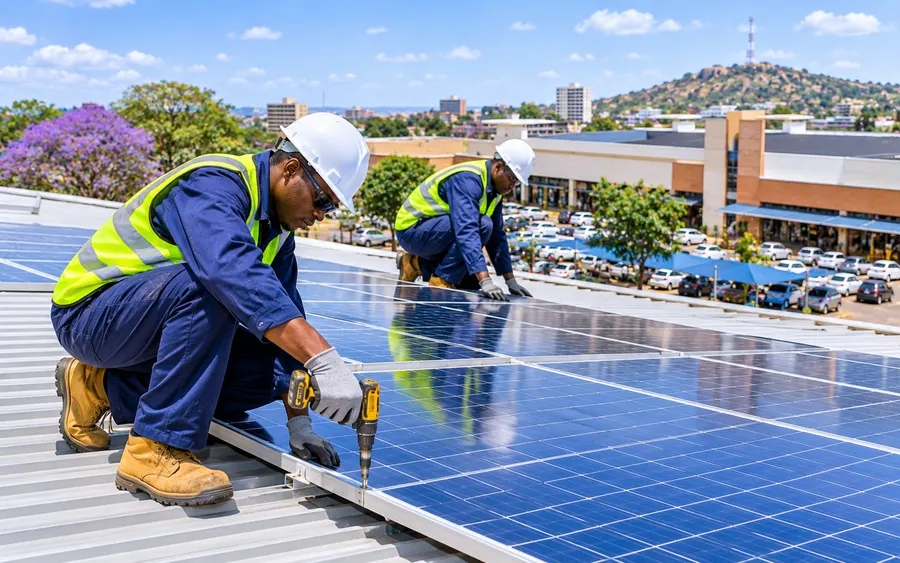 Rooftop solar
Before the call
What to bring
Rough information is fine. This is what lets us scope and quote quickly.
- Your last 12 months of bills for a sample of stores
- List of stores with floor area and refrigeration plant
- Roof condition or structural notes
- Head-office reporting requirements
How we work
From first message to finished work
- 1
Brief
A short call or message. Tell us about your site, your deadline and what is at stake. We reply within one working day.
- 2
Scope & fixed quote
We agree exactly what we will deliver, what we need from you, the timeline and a fixed price, before any work starts.
- 3
Engineer & document
We study your data, test the options and write the report or application, with every assumption stated.
- 4
Hand over & support
You get the finished package and a walk-through. We stay available while it is reviewed, approved or built.
Questions we hear
Before you book
Can you cover many stores?
Yes. We study a sample of typical stores and extend the findings to the rest.
What happens after I book a call?
We reply within one working day, agree a short scope and a fixed quote, and start once you approve it.
Keep reading
The full guide, in plain English
 Guide Retail · 7 min read
Supermarkets and retail: where the electricity goes and how to reduce it
Refrigeration accounts for roughly half of a food store's electricity. This article explains the heat loads on a refrigeration system, the measures that reduce them, and the place of lighting, air conditioning and rooftop solar.
Understanding the heat load on a cabinetThe plant: head pressure, speed control and defrostLighting and the heat it addsRooftop solar and the retail loadProtecting the stock during outagesA sensible order of work
Read the full guide
More guides that go with this page
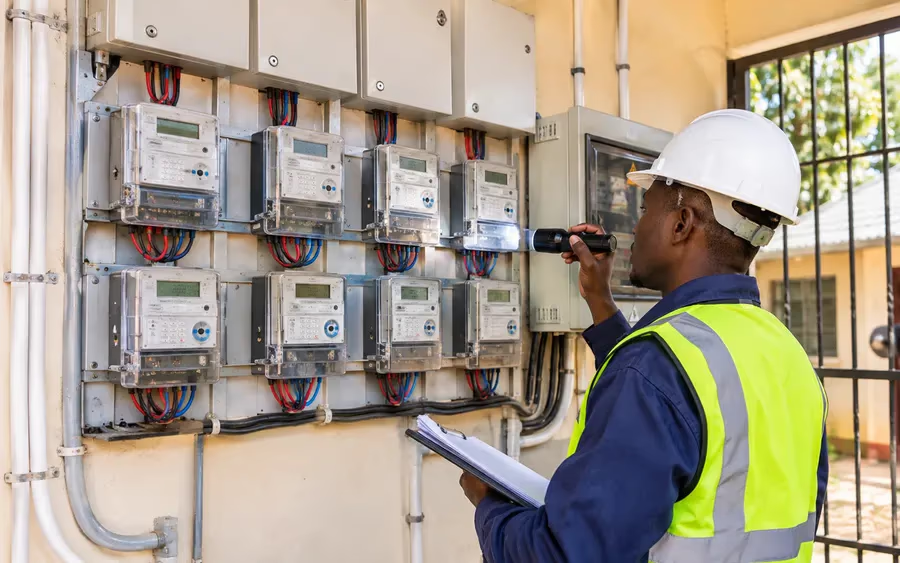 Property · 9 min readTenant electricity billing and smart metering for Zimbabwean property ownersRead the guide
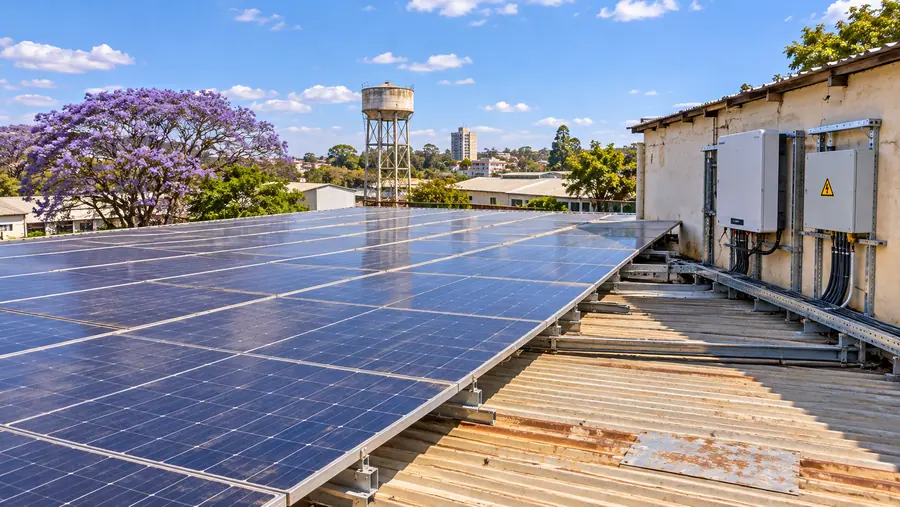 Solar · 11 min readIs solar worth it for your factory? A feasibility study explainedRead the guide
 Tariffs · 7 min readHow to cut maximum demand charges in Zimbabwe: seven tactics that workRead the guide
Talk to an AVEX GRID consultant
Have a project in mind, or want a second opinion on a quote you have received? Send us a short message and we will reply within one working day.