
NGO & Donor-funded Projects
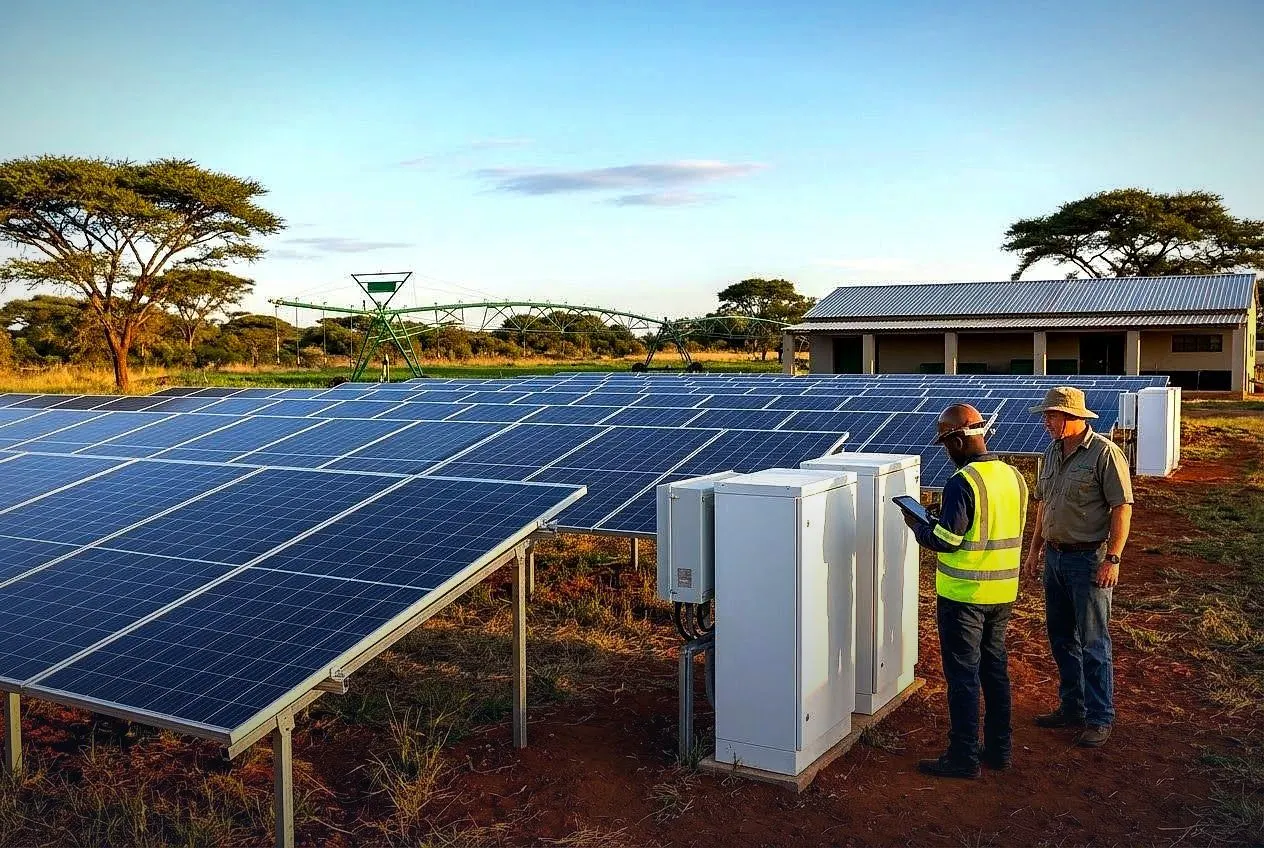
International NGOs, UN agencies and donor programmes that fund rural electrification, solar for clinics and mini-grid projects across Zimbabwe.
In depth
Powering donor-funded clinics and NGO sites: design, procurement and maintenance that last
On the day it is commissioned, a donor-funded solar system at a rural clinic is a clear success. There are lights in the delivery room, a working vaccine fridge and a phone charger for the nurse. What decides whether the money was well spent is how the system looks five and ten years later. Too many are found with dead batteries, tripped inverters and panels covered in dust.
The size of the need
The Energizing Health report came out in January 2023. It was published by the World Health Organization, the World Bank, the International Renewable Energy Agency and Sustainable Energy for All. It estimated that close to one billion people are served by health facilities with no electricity or an unreliable supply. In sub-Saharan Africa, few facilities were found to have a reliable supply.
The report links the gap directly to three problems: vaccines that cannot be stored, procedures that cannot be done after dark, and diagnostic tests that cannot be run. Solar is now the standard technical answer for facilities far from the grid or on an unreliable one.
Start with the clinical load
Begin with a list of what the clinic must be able to do. Do not begin with a catalogue of equipment. In a small rural clinic the critical loads are usually these:
- lighting in the consulting room, delivery room and pharmacy
- a vaccine and medicine fridge
- a small laboratory
- communication
Enter each load in a table with its power, its hours of use and a note on whether it is critical. The result gives you the daily energy need and the peak power. These two numbers size the solar array, the battery and the inverter.
The vaccine refrigerator is a special case
Vaccines must be kept in a narrow temperature range. The fridge that does this is the most critical load on the site. The World Health Organization runs a prequalification programme, known as PQS. It keeps a list of tested appliances.
For solar sites, the most important type is the solar direct-drive refrigerator. It runs its compressor directly from the solar panels. A compressor is a machine that squeezes gas, and it is the biggest power user in a fridge.
Two numbers describe how well a model performs. The first is its autonomy. This is how long it can keep the vaccines within the safe range during poor sunshine. The second is the minimum sunlight below which the maker says it should not be used.
Read the full guide: Powering donor-funded clinics and NGO sites: design, procurement and maintenance that lastAlso covered: Batteries, inverters and what actually fails · Procurement on whole-life cost · Maintenance that is funded and owned · Reporting that donors can trust
What you get
Donor projects need independent technical work that is well documented.
Donor-ready documents
Clear scopes, stated assumptions and plain reports.
Solar and mini-grid design
Sized to what the community or facility really uses.
Value for money
Options compared on cost and what they achieve.
Deliverables
What lands in your inbox
- Donor-ready scope, assumptions and technical report
- Solar and mini-grid design sized to the facility or community
- Options compared on cost and what they achieve
- An answer to your terms of reference, if you have one
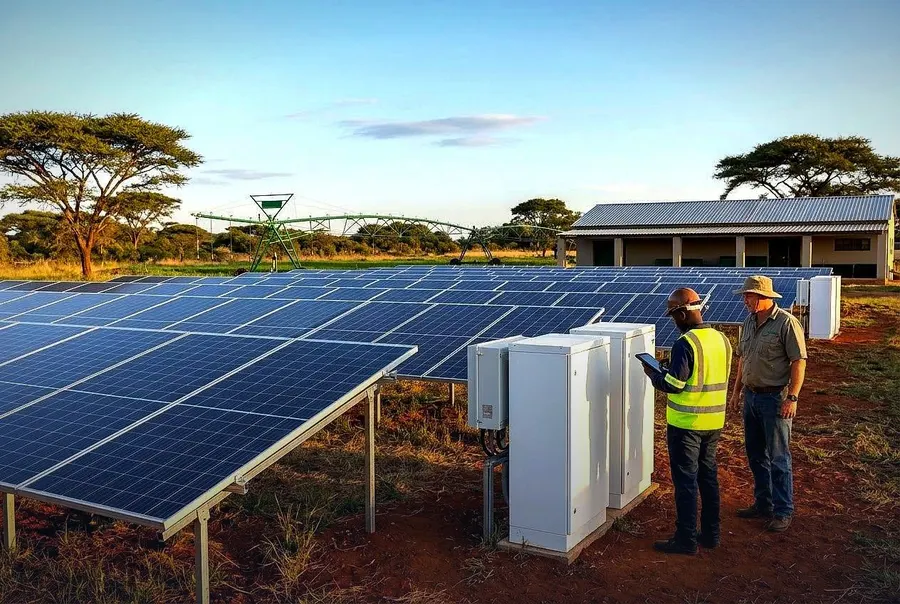 Solar and battery site
Before the call
What to bring
Rough information is fine. This is what lets us scope and quote quickly.
- The terms of reference or call document
- Where the sites are and what they use
- Your budget and what the funder requires
- Any existing equipment or surveys
How we work
From first message to finished work
- 1
Brief
A short call or message. Tell us about your site, your deadline and what is at stake. We reply within one working day.
- 2
Scope & fixed quote
We agree exactly what we will deliver, what we need from you, the timeline and a fixed price, before any work starts.
- 3
Engineer & document
We study your data, test the options and write the report or application, with every assumption stated.
- 4
Hand over & support
You get the finished package and a walk-through. We stay available while it is reviewed, approved or built.
Questions we hear
Before you book
Can you answer a terms of reference?
Yes. Send it and we will tell you what we can cover.
What happens after I book a call?
We reply within one working day, agree a short scope and a fixed quote, and start once you approve it.
Keep reading
The full guide, in plain English
Guide NGO and health · 7 min read
Powering donor-funded clinics and NGO sites: design, procurement and maintenance that last
Solar systems at clinics and NGO sites often fail for reasons that have nothing to do with the panels. This article explains the design, procurement and maintenance practices that keep a donor-funded installation working for its full life.
The size of the needStart with the clinical loadThe vaccine refrigerator is a special caseBatteries, inverters and what actually failsProcurement on whole-life costMaintenance that is funded and owned
Read the full guide
More guides that go with this page
 Healthcare · 7 min readReliable power for hospitals and clinics: backup, protection and costRead the guide
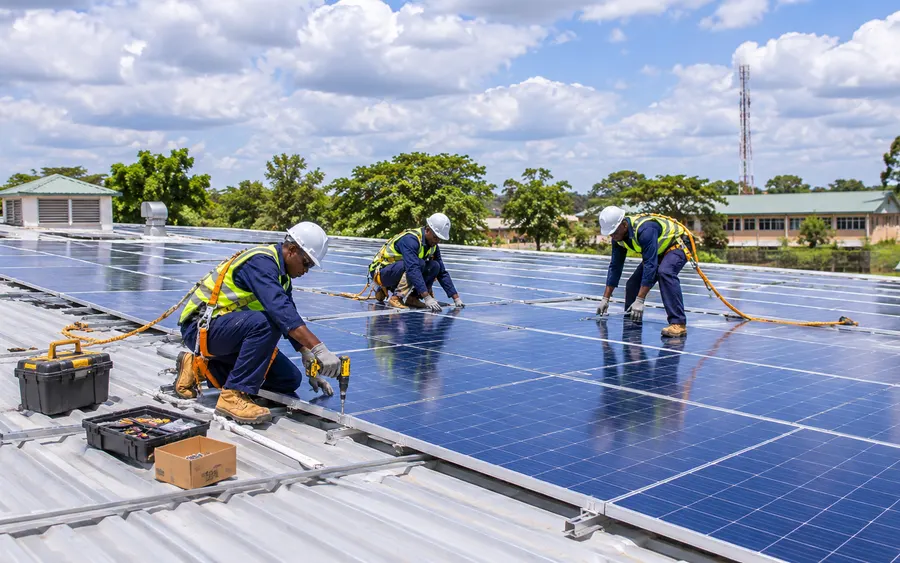 Storage · 10 min readSizing solar plus battery: the questions that decide the design and the costRead the guide
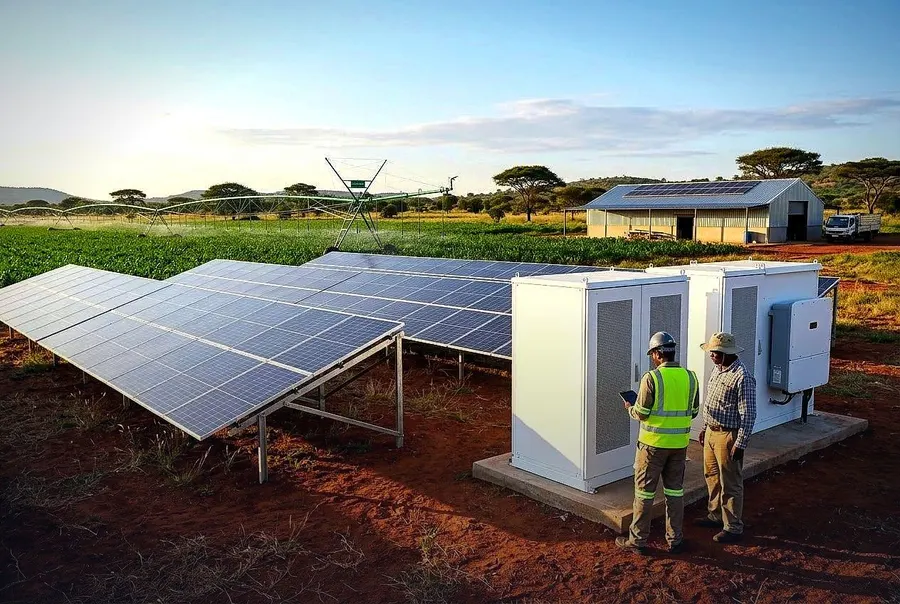 Agriculture · 9 min readHybrid solar microgrids for farms and agro-processors in ZimbabweRead the guide
Talk to an AVEX GRID consultant
Have a project in mind, or want a second opinion on a quote you have received? Send us a short message and we will reply within one working day.