

Scope 3 Supply Chain Carbon Screening
Many European buyers report Scope 3 emissions (the emissions in their supply chain) and ask suppliers for data. We help you collect it and present it in a way buyers can use.
In depth
Scope 3 screening for Zimbabwean exporters: finding the emissions that matter
A product's emissions are counted by the companies that make it and by the companies that buy it. So an exporter and its customer share a problem. The customer needs a number that only the exporter can supply. The exporter wants to give a number that is defensible and does not cost more to produce than the contract is worth.
What Scope 3 contains
The Greenhouse Gas Protocol's Corporate Value Chain Standard defines fifteen categories of Scope 3 emissions.
The upstream categories cover purchased goods and services, capital goods, and fuel and energy-related activities not already in Scopes 1 and 2. They also cover upstream transport and distribution, waste from operations, business travel, employee commuting and upstream leased assets.
The downstream categories cover downstream transport and distribution, processing of sold products, use of sold products and end-of-life treatment of sold products. They also cover downstream leased assets, franchises and investments.
The point of a screening
Measuring every category in full is expensive and often not needed. So the standard recommends a screening. This is a first, rough estimate of each category, made with data you already hold. It shows which categories are big enough to deserve proper attention. The screening uses spend-based or average-data methods.
A spend-based estimate multiplies the money spent on a class of goods or services by an emission factor per unit of spend. An emission factor is the amount of greenhouse gas released for each unit of an activity, such as per litre of diesel or per kWh of grid power.
An example: a ferroalloy or mineral exporter
Take a smelter or processor that sells to a European customer. Its Scope 1 emissions come from fuel and reductants burned on site. Scope 1 means emissions from fuel you burn yourself, and a reductant is a material such as coke or charcoal that strips oxygen from ore and releases carbon dioxide. Its Scope 2 is mostly electricity, because smelting uses a great deal of it. Scope 2 means emissions from the electricity you buy.
In its Scope 3, the screening would probably show purchased reductants and fluxes, mining and transport of ore, and the transport of product to the port and by sea. Category 11, the use of sold products, may be small if the product goes into steel.
Read the full guide: Scope 3 screening for Zimbabwean exporters: finding the emissions that matterAlso covered: How this differs from CBAM reporting · Getting supplier data, and giving it · Prioritising effort and money
What you get
Results you can take to your board or lender
A plan for supplier data
What to ask your suppliers and how to collect it.
Biggest sources found
Where the largest emissions in your supply chain sit.
Deliverables
What lands in your inbox
- Scope 3 screening
- Template for asking suppliers for data
- Summary of the biggest sources
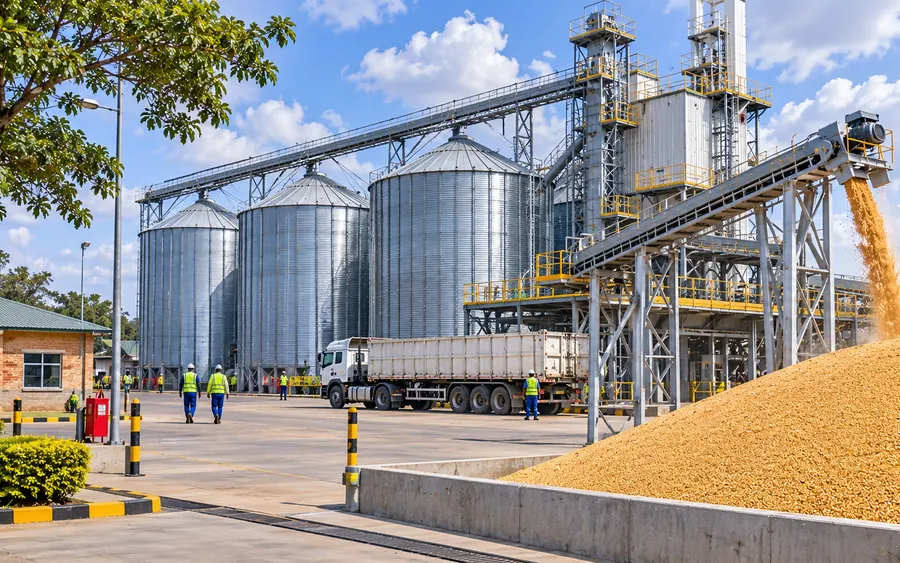 Agro-processing
How we work
From first message to finished work
- 1
Brief
A short call or message. Tell us about your site, your deadline and what is at stake. We reply within one working day.
- 2
Scope & fixed quote
We agree exactly what we will deliver, what we need from you, the timeline and a fixed price, before any work starts.
- 3
Engineer & document
We study your data, test the options and write the report or application, with every assumption stated.
- 4
Hand over & support
You get the finished package and a walk-through. We stay available while it is reviewed, approved or built.
Questions we hear
Before you book
Do I need this?
If your buyers or lenders ask for supply-chain emissions, yes. We help you answer in proportion to your size.
Keep reading
The full guide, in plain English
 Guide Exports · 7 min read
Scope 3 screening for Zimbabwean exporters: finding the emissions that matter
Exporters are asked for emissions data by buyers abroad. This article explains how a screening exercise works across the fifteen Scope 3 categories, how it differs from the embedded-emissions reporting of CBAM, and how to prioritise effort.
What Scope 3 containsThe point of a screeningAn example: a ferroalloy or mineral exporterHow this differs from CBAM reportingGetting supplier data, and giving itPrioritising effort and money
Read the full guide
More guides that go with this page
 Carbon · 6 min readEU CBAM for Zimbabwean exporters: what changed in 2026 and what to prepareRead the guide
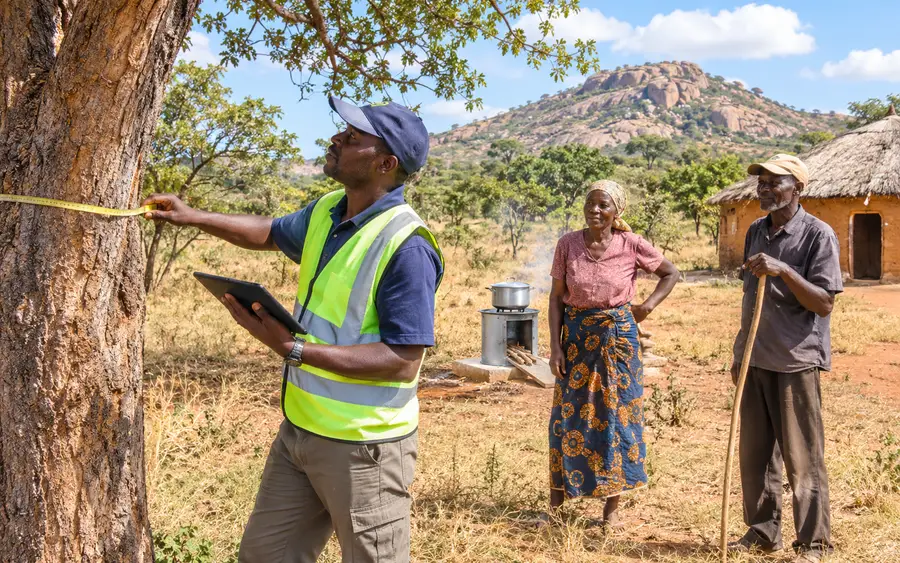 Carbon · 8 min readMeasuring your carbon footprint: Scope 1, 2 and 3 for Zimbabwean companiesRead the guide
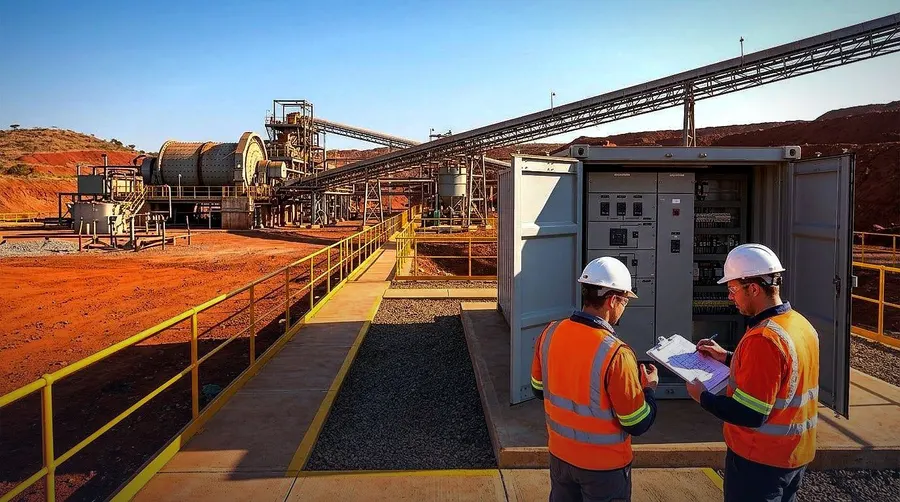 Mining power · 7 min readPowering a mine in Zimbabwe: grid, diesel or solar plus storage?Read the guide
Talk to an AVEX GRID consultant
Have a project in mind, or want a second opinion on a quote you have received? Send us a short message and we will reply within one working day.