

IPP Licensing & PPA Technical Support
Applying for a generation licence? We prepare the technical case so your application is complete, and help you answer questions from the regulator and the utility.
In depth
Reading a power purchase agreement: the technical schedules lenders look for
A power purchase agreement (PPA) is the contract under which a power producer sells electricity to a buyer. The buyer is often a utility or a factory. The headline terms are the tariff (the price) and the term (how many years). The technical schedules are often the longest part of the document. They decide how the contract works in practice.
The market a Zimbabwean PPA sits in
First, the commercial picture. ZETDC is the utility that buys from most independent power producers (IPPs). Public reports show how recent deals were built. A 30 MW solar farm at Vungu was reported with a 25-year PPA under a solar buying pilot. A 15 MW plant at Hwange was reported with a 25-year term. A Victoria Falls solar project was reported on a shorter 10-year term with ZESA, the company that came before ZETDC.
There are two more signposts. The ZIDA investment prospectus gives ZETDC's usual purchase price as roughly US$0.06 to US$0.12 per kWh. It also says that producers who sell directly to large users negotiate their own price. Direct sales travel over ZETDC's network under wheeling arrangements.
Description of the facility
This schedule states the plant type, the rated capacity at the connection point, the equipment, the location and the date the plant is expected to start selling power. It must match the licence, the grid studies and the design. When these documents differ, lenders ask questions during their checks.
Interconnection and grid requirements
The interconnection schedule sets out the point where the plant connects to the grid and the voltage level. It also sets the protection and control requirements and the rules of the grid code. It refers to the studies that show the plant can connect safely. These studies check that voltage, fault current and stability stay within limits. A technical file with load-flow, short-circuit and protection studies supports this schedule.
Read the full guide: Reading a power purchase agreement: the technical schedules lenders look forAlso covered: Metering · Testing and commissioning · Performance guarantees · Operation and maintenance obligations
What you get
Results you can take to your board or lender
A technical case that stands up to review
Sun resource, design, grid-impact and protection studies, written so regulators and lenders can follow every assumption.
Fewer surprises at the grid
We model the connection (load flow, short circuit, protection) before you commit, so problems show up on paper first.
A model lenders can read
Energy output, costs and returns, tested against changes and ready for a lender data room.
Deliverables
What lands in your inbox
- Technical annex for the licence application
- ETAP grid-impact study
- Single-line diagrams and equipment lists
- Energy-output and financial model
- Answers to regulator or utility questions
- Plain-English summary for your board
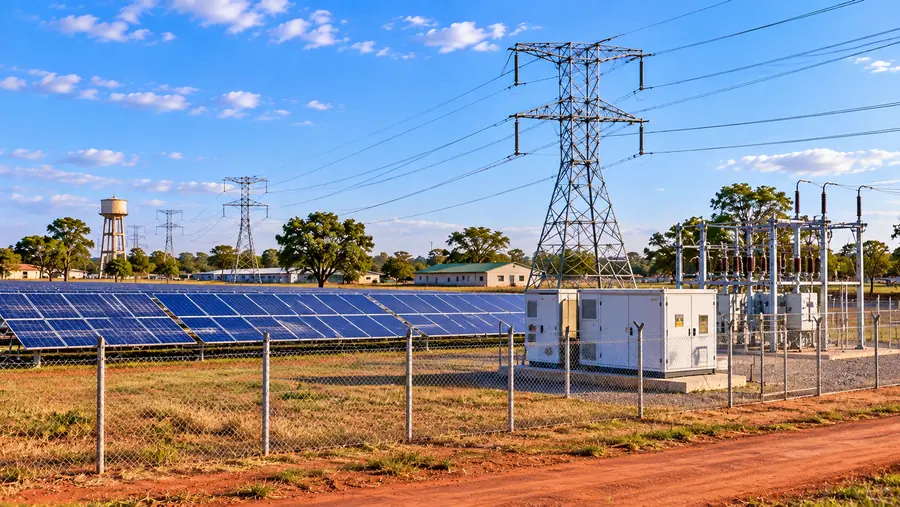 Utility-scale solar
Before the call
What to bring
Rough information is fine. This is what lets us scope and quote quickly.
- Project location, size and technology
- Land and grid-connection status
- Any feasibility study or energy-output estimate done so far
- Your timeline and who will buy the power
How we work
From first message to finished work
- 1
Brief
A short call or message. Tell us about your site, your deadline and what is at stake. We reply within one working day.
- 2
Scope & fixed quote
We agree exactly what we will deliver, what we need from you, the timeline and a fixed price, before any work starts.
- 3
Engineer & document
We study your data, test the options and write the report or application, with every assumption stated.
- 4
Hand over & support
You get the finished package and a walk-through. We stay available while it is reviewed, approved or built.
Questions we hear
Before you book
Are you a licensed practitioner?
We are an engineer-led practice and we prepare the technical content. Where a registration or licence is needed to sign or file, we say so up front and work with the right partner.
What do I need to bring?
Site location, land rights status, planned size, and any grid data you already hold. We help you find the rest.
Can you help after the application?
Yes. We help with technical questions, objections and the move into design and grid connection.
Keep reading
The full guide, in plain English
 Guide Projects · 10 min read
Reading a power purchase agreement: the technical schedules lenders look for
A PPA is a legal document whose value is set by its technical schedules. This guide explains the schedules that matter to developers, off-takers and lenders.
The market a Zimbabwean PPA sits inDescription of the facilityInterconnection and grid requirementsMeteringTesting and commissioningPerformance guarantees
Read the full guide
More guides that go with this page
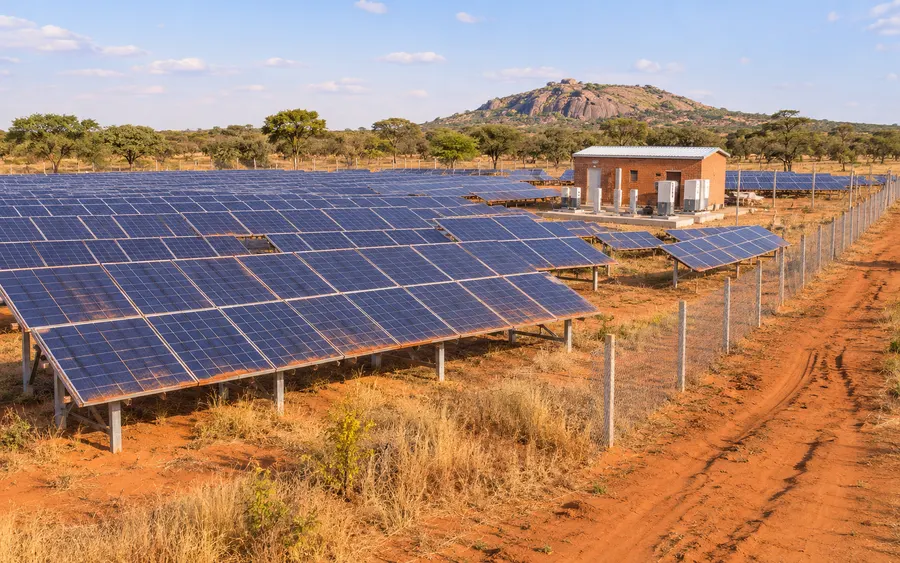 IPP development · 5 min readHow to develop a solar IPP in Zimbabwe: licence, PPA and what lenders checkRead the guide
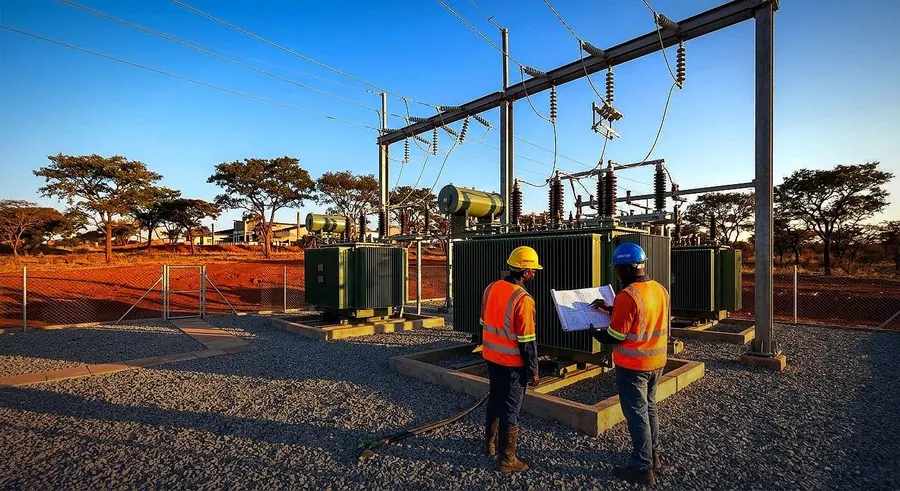 Projects · 5 min readWhat an owner's engineer does, and why EPC buyers need oneRead the guide
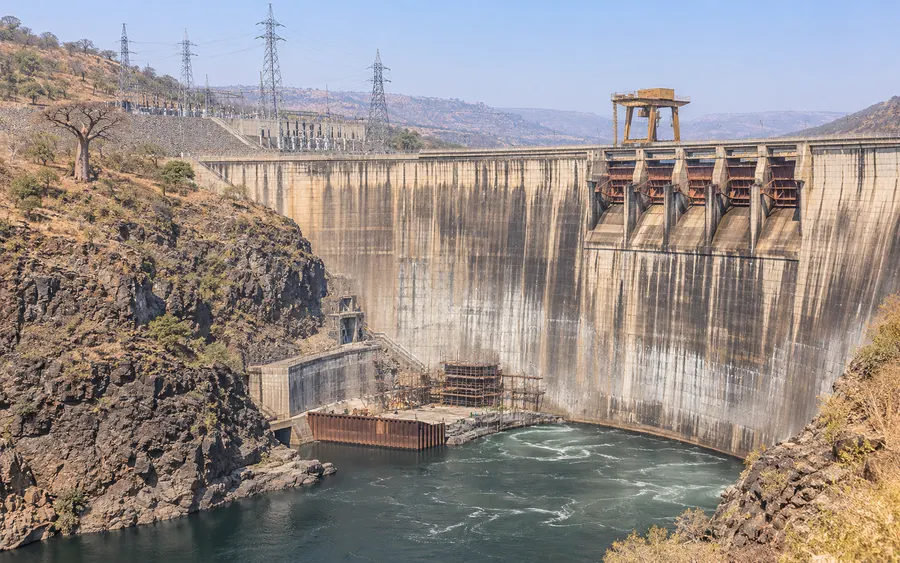 Investment · 6 min readInvest in Zimbabwe's energy sector: opportunities, incentives and the due diligence you needRead the guide
Talk to an AVEX GRID consultant
Have a project in mind, or want a second opinion on a quote you have received? Send us a short message and we will reply within one working day.